3400-Year-Old Hittite Archive Uncovered in Anatolia: 184 Cuneiform Tablets Reveal Epidemics and Military Appeals

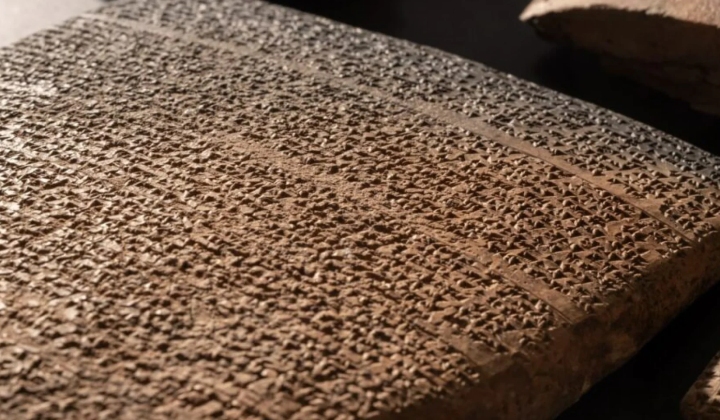
Discovery of an Ancient Hittite Archive
According to НВ — Техно: Archaeologists excavating central Anatolia have uncovered a royal Hittite archive dating back 3400 years, consisting of 184 cuneiform tablets unearthed during the 2025-2026 digs. These documents originate from the reign of King Tudhaliya II and provide valuable insights into:
- ancient epidemics;
- the death of a royal infant princess;
- military requests for reinforcements;
- religious rituals and divination practices.
Mehmet Nuri Ersoy, Turkey’s Minister of Culture and Tourism, hailed this as the most significant Hittite archive discovery of the 21st century.
Excavation Site and Historical Importance
The excavation took place in Kayalıpınar, the site of the ancient city of Šamuha located in Sivas Province. The tablets are inscribed in both Hittite and Hurrian languages. A major focus of the archive is an epidemic that afflicted infants and children, causing high fevers. Records detail the illness and death of a princess in the city of Ziulula, along with the accompanying funeral rites.
The royal court demonstrated considerable concern for the health of children from noble families, with religious experts conducting divinatory inquiries to understand their condition. The cause of this epidemic remains unknown to researchers at this time.
The archive also includes a letter from Hittite generals stationed in western Anatolia, urgently requesting additional troops, horses, and chariots to avoid a looming military disaster. This letter was sent while the king was at Šamuha. Additionally, the collection contains accounts of Hittite bird divination practices, documenting routes and observations made by seers.
Among the artifacts connected to this discovery is a 42.5 cm iron dagger currently preserved at the Amasra Museum on Turkey’s Black Sea coast. Crafted from a single iron piece, the dagger features a handle secured with two rivets and a distinctive curved tip. These findings greatly enrich our understanding of Hittite governance, culture, and religious life during the Bronze Age.
As Mehmet Nuri Ersoy emphasized, “This collection represents the most extensive Hittite archive uncovered in the 21st century.”
This remarkable find offers critical perspectives on the Hittite civilization, a dominant Bronze Age power in the ancient Near East. It sheds light on their complex social systems, spiritual beliefs, and healthcare challenges. The information contained in these tablets is expected to serve as a foundation for further research in history, archaeology, and ancient medicine, deepening our comprehension of life in antiquity.

Read also