Extensive Trench Networks Found Above Australian Caves Offer New Clues for Mars Subsurface Exploration

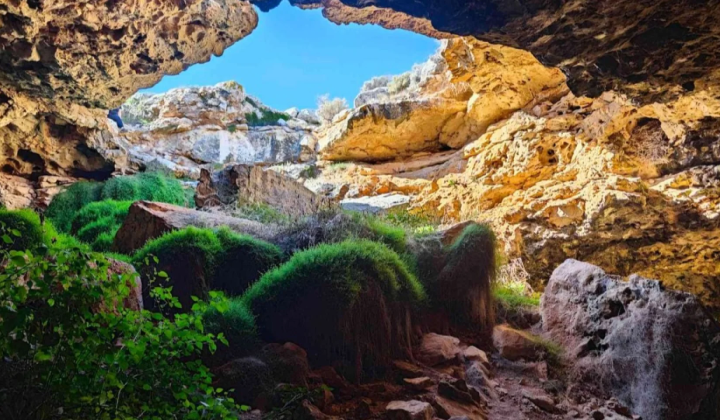
Hidden Cavern Systems in Australia
According to НВ — Техно: Researchers in Australia have uncovered distinctive trench formations that hint at vast underground cave networks, providing a valuable analog for locating subterranean voids on Mars.
September 25, 17:07
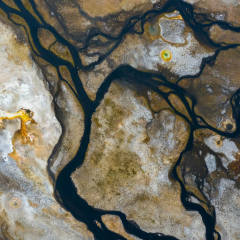
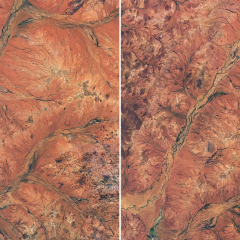
Stretching across the Nullarbor Plain in southern Australia, extensive shallow trenches have been identified above large cave systems. This discovery could significantly advance the search for underground cavities on other planets, particularly Mars. The study utilized a combination of aerial photography, drone surveys, satellite topography models, geophysical techniques, and borehole data to map these features.
Details of the Trench Discoveries
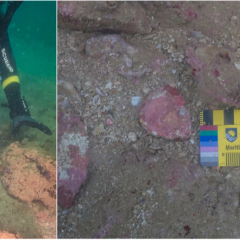
The Nullarbor Plain, spanning over 200,000 square kilometers and primarily composed of limestone, has been shaped over millions of years by water dissolving the rock and forming subterranean caves and voids. Scientists detected long, shallow trenches up to 20 kilometers in length and only a few meters deep. Unlike river valleys, these trenches have abrupt start and end points, lack connections to current waterways, and show no branching typical of fluvial channels.
Further investigation revealed zones of highly fractured rock beneath the trenches that align with known caves and karst sinkholes. Surface depressions mark the collapse of underground cavern ceilings over millions of years. These findings offer a method to identify caves without visible entrances, which may preserve traces of ancient ecosystems and harbor life forms adapted to dark, sunless environments.
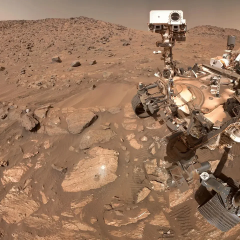
This research holds particular importance for planetary science, as caves on other celestial bodies could offer protection from cosmic radiation. Mars’ surface exhibits signs of potential subsurface voids, and the Nullarbor Plain serves as a terrestrial model to detect subtle surface indicators of underground systems on planets with dry, stable surfaces. Comparable surface features might exist elsewhere but remain undetected.
The Australian discovery not only deepens our understanding of Earth's karst landscapes but also paves the way for identifying hidden underground formations on other worlds, especially Mars.
Exploring cave systems could be crucial for assessing the possibility of life in extreme conditions and locating resources for future space missions. This study highlights the importance of interplanetary comparisons and may guide upcoming scientific expeditions in the quest to find life beyond Earth.
In addition to the recent trench discoveries, the identification of vast underground cavities in Australia highlights the potential for developing sustainable habitats on Mars. Understanding these subterranean structures can provide essential insights into creating safe environments for future exploration and habitation on the Red Planet.

Read also