No Critical Oil Concentration Detected in the Black Sea Following Attacks

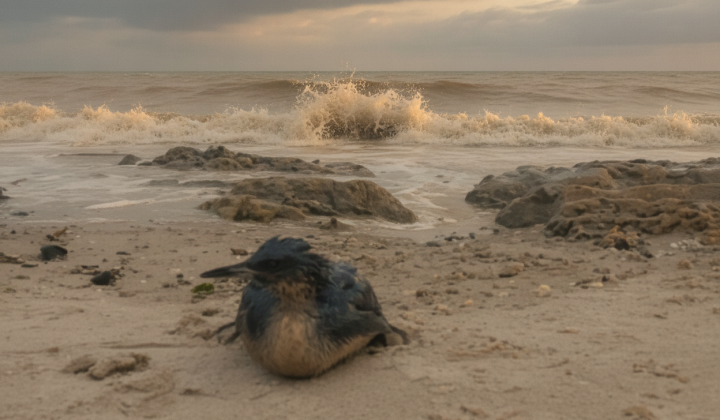
Oil Spill into the Black Sea After Hostile Strikes
According to Главком: Following enemy attacks on ports in the Odesa region, tons of oil spilled into the Black Sea. However, according to Viktor Demchenko, Deputy Director of the Institute of Marine Biology of the National Academy of Sciences of Ukraine and a Doctor of Biological Sciences, there is currently no critical concentration of oil in the sea. Cleanup efforts in Odesa and other locations involved deploying specialized barriers to contain the pollution. Oil clumps washed ashore after storms were collected in bags along with sand and disposed of. No major oil concentration has been detected along the coastline.
Demchenko noted that oil slicks can migrate and settle on the seabed, potentially resurfacing when temperatures rise. Additionally, sunflower oil entered the Black Sea following bombardments of oil terminals in the spring. Oil recovery operations are complicated by the security situation in the region. He added:
'There were attempts to collect oil in Odesa and other places, to contain it within port areas by setting up special barriers. Collecting oil from the sea surface is quite difficult.' - Viktor Demchenko
Dolphin Deaths and Environmental Consequences
In early June, reports emerged of 22 dolphin deaths in the Tuzly Estuaries National Park. However, Demchenko stated that it is not possible to definitively link these deaths to the oil spill. 'It is hard for me to speak about the causes of these animals' deaths, but from the photos I have seen, the dolphins did not die at the same time: the images show animals that died two or three months ago alongside those that died a week ago,' he noted.
As a reminder, large-scale attacks on Ukrainian oil extraction plants and oil storage facilities at ports began in late 2025 and continued through the spring of 2026. On the night of December 22 last year, Russian forces struck the Pivdennyi port near Odesa, causing fires in containers holding flour and oil. On the night of December 25, the enemy attacked the Illichivsk Oil and Fat Plant, damaging an oil container. On January 5, Russian troops targeted the Dnipro Oil Extraction Plant, resulting in 300 tons of oil spilling onto roads. Two days later, attacks on two ports in the Odesa region damaged additional oil containers.
Given the situation, monitoring the environmental impact of the oil and sunflower oil spill into the Black Sea is crucial, as the contamination could have long-term effects on the marine ecosystem. The security situation in the region remains a critical factor complicating cleanup operations. Observing dolphins and other marine species is also an important part of assessing the environmental conditions in this area.
In light of the ongoing environmental concerns, it's important to also consider the recent reports regarding marine life in the area. Specifically, the alarming discovery of 22 dead dolphins along the Odesa coast raises questions about the broader ecological impact of the conflict. For further insights on this issue, you can read more about the tragic situation in our article on dolphin fatalities and their potential causes.

Read also