300,000-Year-Old Cave Packed With Unique Artifacts Discovered in Israel

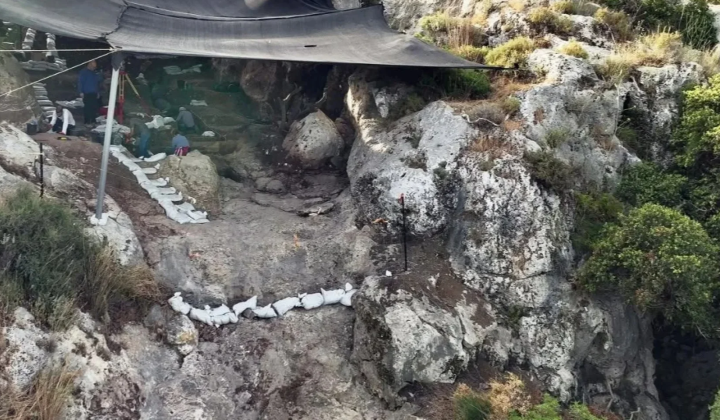
Major Archaeological Find Unveiled in Israel
According to НВ — Техно: On June 12 at 1:03 PM, the Israel Antiquities Authority, together with researchers from the University of Haifa, announced a significant archaeological discovery on the outskirts of the Poridis local council area. Excavations in a cave dated to 300,000 years ago are providing fresh insights into prehistoric life and human evolution. The project, funded by Netivei Ayalon, is led by Dr. Kobi Vardi and Amit Gabay from the Israel Antiquities Authority, alongside Professor Ron Shimelmitz from the Zinman Institute of Archaeology at the University of Haifa.
Artifacts and Findings
This cave dates back to a critical transitional period of the Lower Paleolithic era. Excavations have uncovered artifacts from the Acheulo-Yabrudian culture, including:
- hand axes
- scrapers
- blades
- small sharp tools
Additionally, researchers have found animal bones, such as those from donkeys, deer, and horses, indicating a diverse fauna at the time. Evidence of nearby water sources in prehistoric times has also been uncovered, which likely influenced the lives and activities of ancient people.
We are fortunate to have excavated a unique site of global importance, preserved thanks to extraordinary environmental conditions. This cave serves as a time capsule of a key stage in human evolution.
Professor Ron Shimelmitz
Dr. Kobi Vardi also commented on the site's significance: 'It is unusual to find a site preserved in such exceptional condition. In terms of importance, this site can be compared to the famous Nahal Me'arot caves, which date to the same period.'
The Israel Antiquities Authority and the University of Haifa plan to launch a large-scale research program to further study this important archaeological find. The discovery of the cave on the outskirts of Poridis expands our understanding of prehistoric life and its cultural aspects.
This archaeological find represents a major contribution to the study of human evolution and the behavior of our ancestors, opening new avenues for exploring their way of life. It also underscores the importance of preserving natural conditions that help maintain historical sites. Further research could lead to new discoveries that deepen our understanding of how ancient humans adapted to environmental changes.
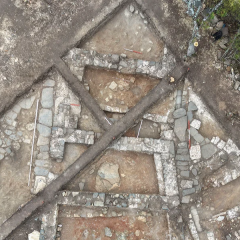
In addition to this remarkable find, another excavation in Spain has revealed eight distinct phases of sanctuary usage, showcasing the evolution of human activity over millennia. Understanding these different periods can provide valuable context to the discoveries in Israel, highlighting the diverse ways ancient societies interacted with their environments. For more insights into this intriguing archaeological exploration, visit the findings from Spain.

Read also