How Dead Bacteria Could Shield Red Sea Corals from Heat and Disease

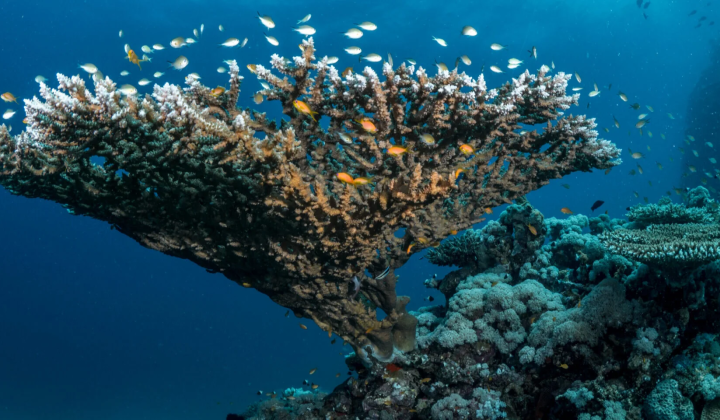
Coral Immunity Against Rising Temperatures
According to НВ — Техно: Researchers have developed a novel approach to enhance the resilience of Red Sea corals against heat stress and infectious diseases. Scientists from King Abdullah University of Science and Technology in Saudi Arabia introduced a technique that "vaccinates" corals using inactivated bacteria to stimulate protection. Published in the journal ISME Host Microbe, their findings reveal promising strategies to prevent the decline of vital coral reefs threatened by extreme warming and bacterial infections.
Experimental Approach and Findings
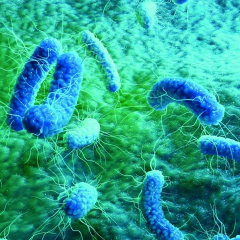
The team focused on Pocillopora favosa corals, a common species in the Red Sea. They exposed coral colonies to either live or chemically killed Vibrio coralliilyticus bacteria. After this treatment, the corals were subjected to elevated temperatures and aggressive microbial infections. Those pre-exposed to dead bacterial cells exhibited significantly greater resistance to both heat stress and infection. This enhanced defense was linked to shifts in the coral’s internal microbial communities and gene expression, which created a protective barrier against pathogens.
In contrast, untreated corals suffered from bleaching due to loss of symbiotic algae and died under the same stressful conditions. Unlike humans, corals lack an adaptive immune system, but the study shows they can modify their immune responses following prior exposure to microbes.
"Corals do not possess an adaptive immune system like humans, so it was initially unlikely they could develop immunity through vaccine-like treatments. However, we wanted to investigate whether prior microbial contact could alter their future responses to infections." - Matteo Monti, study co-author
Monti emphasizes that this work serves as a proof of concept rather than a ready-made cure for wild reefs. "Directly releasing live bacteria into the ocean poses risks, but using inactivated bacterial cells offers a safe foundation for developing methods to protect marine ecosystems," he explained.
This vaccination strategy, developed as part of a national research initiative, holds promise for safeguarding the Red Sea’s coastline and fisheries-both critically important amid climate change and increasing threats to marine biodiversity.
Coral reefs are essential to marine life and local economies, providing habitat for countless fish species. Protecting them from heat-induced damage and disease not only supports biodiversity but also sustains fisheries and regional livelihoods. Continued research and application of this technique could play a vital role in global reef conservation efforts.

Read also