Breakthrough Biodegradable Flexible Bioplastic Combines Strength and Oxygen Barrier Efficiency

Engineering the Future at the Molecular Level
According to НВ — Техно: Researchers have developed a highly durable and flexible biodegradable bioplastic
Scientists at Virginia Tech have engineered a biodegradable bioplastic featuring remarkable flexibility and exceptional strength, composed of closed-loop polymer chains. This innovative material delivers an impressive combination of toughness, impact resistance, flexibility, and superior oxygen barrier properties. Currently, it is undergoing laboratory testing, with findings published in the journal Nature Communications.
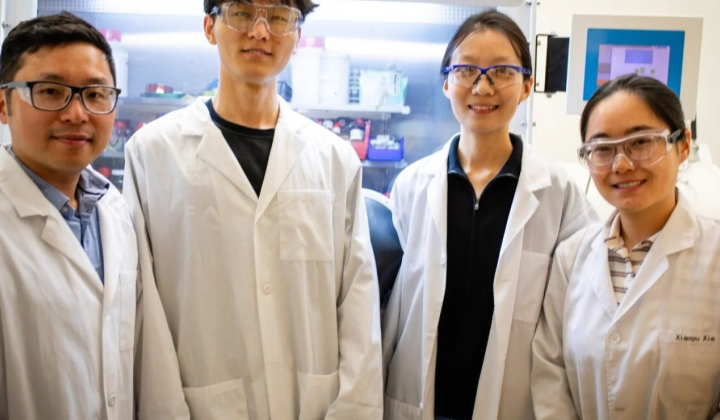
The study was led by Associate Professor Ifan Chen from the Department of Food Science and Technology, alongside graduate students Huida Duan, Jiyu Ho, and Xiaoyue Se, under the guidance of Professor Rong Tong from the Department of Chemical Engineering. The polymer chains in this new bioplastic are arranged following a gradient pattern that forms continuous loops, a design that achieves outstanding mechanical strength and flexibility.
Applications and Future Prospects
This bioplastic matches the oxygen barrier performance of widely used polylactic acid (PLA) while surpassing it in plasticity and wear resistance. These qualities make it a promising candidate for food packaging solutions that require durability during transport and extended storage. However, it remains in the experimental stage and is not yet ready for commercial production.
Future research will focus on producing films for real-world testing and exploring recycling capabilities. The goal is to ensure the material’s biodegradability and to develop technology for reclaiming molecular components to manufacture new plastics. This advancement represents a significant step towards eco-friendly materials and reducing plastic pollution.
The introduction of this novel bioplastic could greatly influence the packaging industry and environmental health. Its enhanced strength and flexibility unlock new possibilities across various sectors, particularly in food packaging. As plastic pollution continues to pose a global challenge, innovations like this are essential for advancing sustainable materials and minimizing ecological impact.
As researchers push the boundaries of biodegradable materials, it's essential to consider the environmental impact of these innovations. Notably, recent findings reveal that animal species capable of degrading bioplastics could play a crucial role in addressing plastic waste. Understanding how these enzymes function may lead to more efficient recycling processes and enhance the sustainability of new bioplastic technologies.

Read also