Bioplastic-Degrading Enzymes Found in 66 Animal Species

A discovery rooted in marine microbiology
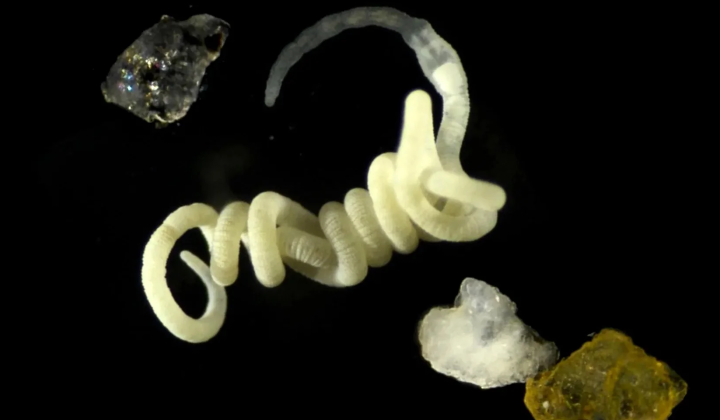
According to НВ — Техно: Researchers at the Max Planck Institute for Marine Microbiology in Germany have identified at least 66 animal species carrying enzymes that can break down the natural bioplastic PHA. With bioplastics being promoted as a greener alternative to conventional plastics, understanding exactly what happens to them in the environment is increasingly important. The work began with the marine worm Olavius algarvensis, which depends on symbiotic bacteria that store PHA inside themselves. This finding challenges the earlier belief that only microorganisms could decompose this polymer and shows a previously unknown way carbon moves through food chains.
Understanding PHA and its uses
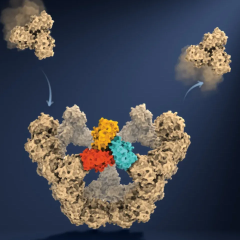
PHA, or polyhydroxyalkanoates, are produced by bacteria and archaea and occur naturally in soil, bottom sediments, and water bodies. Olavius algarvensis grows to roughly 2 centimeters in length and lacks both a mouth and a digestive system. Instead, it consumes its bacterial symbionts, which accumulate large amounts of PHA. Inside this worm, scientists discovered an enzyme that breaks PHA down into smaller molecules, and the enzyme is produced exactly where the symbionts are digested.
Similar enzymes appeared in more than 66 animal species distributed across nine distinct phyla. Among the animals where these enzymes were detected are:
- marine sponges
- earthworms
- springtails
Laboratory experiments showed that enzymes from very distantly related animals can also degrade PHA.
Because PHA can be fully decomposed through natural biological processes, it is used to make biodegradable products for packaging, personal hygiene, farming, and medicine. These bioplastics are used in drug-delivery systems, wound dressings, and certain implants.
The Max Planck researchers’ discovery points to a new route for moving carbon from microorganisms to animals in marine food webs. Scientists believe animals might have relied on natural bioplastics as an energy source for hundreds of millions of years.
This discovery carries important ecological and biotechnological implications, as it may lead to new ways of recycling bioplastics and reducing their environmental impact.
ScienceDaily
A clearer picture of how animals contribute to PHA breakdown could open new paths for developing sustainable materials and technologies that use natural processes to limit waste and pollution. More research in this area could aid in designing better waste-management approaches and protecting ecosystems.
As researchers delve deeper into the world of bioplastics and their breakdown, it’s intriguing to note the findings related to fungi capable of degrading polystyrene discovered in caterpillar guts. This highlights the diverse biological strategies that different organisms employ to tackle plastic waste, emphasizing the ongoing need for innovative solutions in environmental sustainability.

Read also