Miniature Nuclear Fireball Generated Inside Plasma Reactor by Research Team

Plasma Reactor Experiment
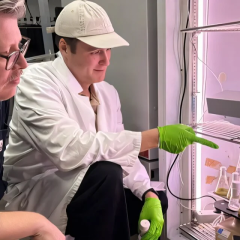
According to НВ — Техно: Using a plasma reactor, scientists successfully recreated a miniature version of a nuclear fireball, enabling them to study how radioactive fallout forms. Published in the journal Analytical Chemistry on May 25 at 6:00 PM, the findings disproved outdated theoretical models about how elements condense in such events. This breakthrough offers a new way to simulate nuclear explosions without full-scale testing.
Study and Key Findings
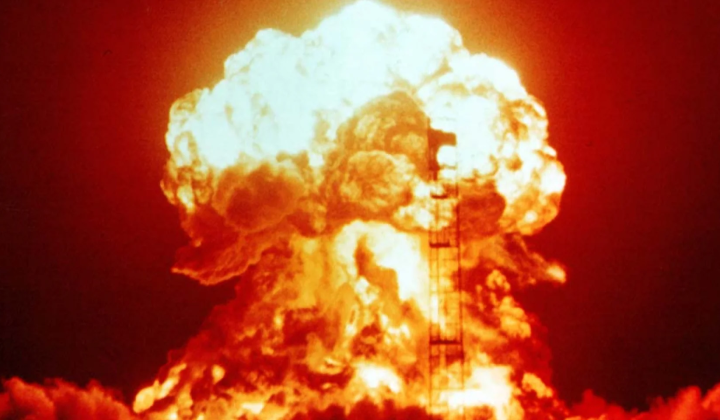
The research team employed evaporation mixtures containing uranium, cerium, and cesium. The experiment drew on data from the Operation Upshot-Knothole test, where a 23-kiloton device was detonated on April 18, 1953. Results revealed that cesium remains in a gaseous state for longer than previously thought, challenging long-held assumptions.
Study author Rakiah Dhaoui explained: 'The shift in how long substances stay in extreme-temperature zones completely reshapes chemical reactions and the way volatile elements integrate into newly formed microparticles.'
Major nuclear disasters, including the Chernobyl power plant incident and the Fukushima Daiichi station meltdown, highlight the critical importance of understanding how radioactive fallout develops.
This experiment marks a significant step forward in improving knowledge of nuclear reactions and their consequences, with potential to greatly influence future research in the field. The results could enhance predictive models for radioactive element behavior during nuclear accidents, giving scientists new tools to analyze and manage such events. Understanding fallout formation mechanisms is essential for ensuring the safety of nuclear technologies moving forward.

Read also