In Caterpillar Guts, Biochemists Discover Fungi That Can Break Down Polystyrene

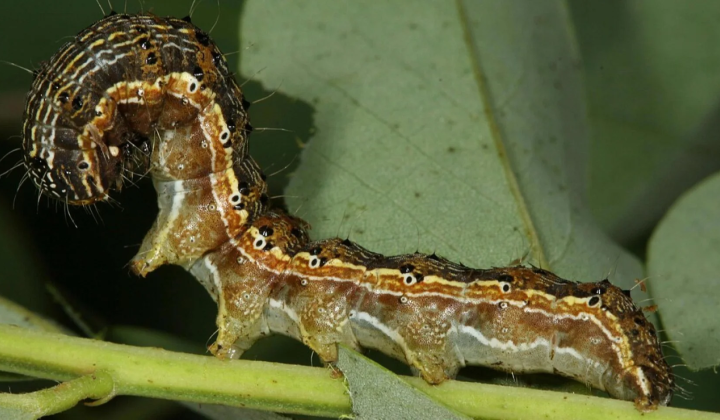
Foam for Dinner? Caterpillar Gut Fungi Show a Taste for Polystyrene
According to НВ — Техно: Date: August 7, 11:00
Biochemist Flavio Henrique Silva, based at Brazil’s Federal University of São Carlos, has identified four fungal species in the digestive tract of the cotton bollworm that can biologically decompose polystyrene. The findings, published in BMC Microbiology, show that Aspergillus, Talaromyces, and two Penicillium species survived and grew on a thin polystyrene film for 60 days. Among them, Talaromyces produced the most striking effect, visibly boring holes into the plastic.
How the Experiment Worked
For seven days, the team fed Helicoverpa armigera larvae expanded polystyrene (EPS) foam. The trial used three dietary groups: larvae receiving only EPS, larvae on a standard laboratory diet, and larvae on a 50/50 mixture of both.
- One group was given only EPS;
- another received the usual laboratory food;
- a third got a 50/50 combination of the two.
Fungi were then isolated from the larvae’s guts. The researchers dissolved EPS in xylene and dried it into a smooth film, which served as the growth surface for the fungi over the next 60 days.
Using electron microscopy, they observed cavities in the film, indicating that the fungi were actively interacting with the material. Talaromyces caused the most visible damage, leaving holes in the plastic. Control films that were not inoculated with spores remained smooth. Still, the authors say they cannot yet determine whether the fungi digest the plastic, physically fragment it, or how much material was degraded over the two-month period.
“The caterpillars fed EPS showed notably higher levels of Aspergillus, Trematosphaeria, Metarhizium, and Talaromyces compared to those that did not receive EPS. With the mixed diet, we observed an increase in the share of the yeasts Cryptococcus and Malassezia.”
Flavio Henrique Silva
Global polystyrene production is projected to reach 62 million tons per year by 2034. Although plastic-degrading abilities have been found before in various microbes and insects, none have made a significant dent in the waste problem. This study offers a foundation for future environmental and waste-management research.
Polystyrene is a common material in disposable packaging and foam products, making its accumulation in landfills and oceans a serious concern. Silva’s work could pave the way for biological approaches to tackling plastic pollution, potentially leading to eco-friendly technologies that reduce polystyrene waste in nature. The discovery opens new avenues for studying biodegradation and may become an important step in addressing global contamination.
As researchers explore innovative solutions to plastic pollution, the discovery of fungi in caterpillar guts adds an intriguing dimension to the ongoing fight against waste. In a similar vein, scientists have recently developed a self-destructing plastic that eliminates microplastics, showcasing the potential for sustainable materials in our environment. Understanding these advancements could pave the way for more effective strategies in managing plastic waste.

Read also