Researchers Discover BTEX-Degrading Bacteria Thriving in Toxic Soil of Former Steel Plant

Bacteria Found in Contaminated Industrial Soil
According to НВ — Техно: Scientists at Carnegie Mellon University have identified bacteria living in the soil of a decommissioned steel mill site in Pittsburgh that can survive by metabolizing carcinogenic BTEX compounds. This research focuses on the grounds of the former Jones and Laughlin Steel plant, now known as Hazelwood Green. The bacteria uncovered show promise for bioremediation, as they use harmful chemicals such as benzene, toluene, ethylbenzene, and xylene as their food source.
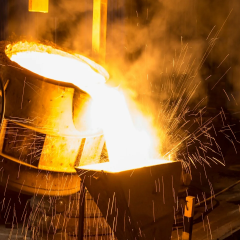
For decades, Pittsburgh’s steel manufacturing facilities have polluted the soil with carcinogens and heavy metals, creating severe environmental challenges in the region. The investigation covers more than seventy hectares of land deeply contaminated with petroleum products and BTEX chemicals, which pose serious health risks to humans and wildlife.
Potential for Environmental Cleanup Through Bioremediation
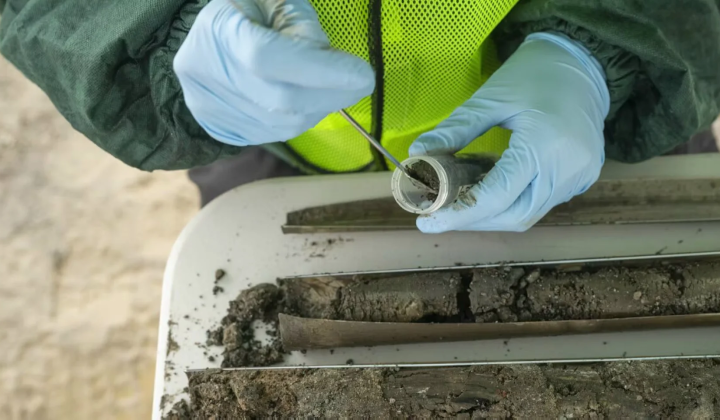
These bacteria have adapted to survive in toxic soil by using carcinogenic compounds as their carbon source. They are also capable of sharing beneficial genes directly through DNA exchange. To detect these microbes, researchers drill soil wells and analyze samples from various depths. In laboratory tests, bacteria are cultured in solutions where benzene or toluene serve as the sole organic carbon source. Growth under these conditions confirms their ability to break down pollutants in natural environments.
Automation plays a key role in the research, with the AI Science Foundry robotic lab streamlining experiments and the BTEXgenie software assisting in identifying critical genetic mutations from bacterial genomes. These advancements mark an important step toward restoring contaminated sites and revitalizing Pittsburgh’s ecosystem.
The discovery of bacteria capable of using carcinogenic BTEX compounds for growth opens new avenues for ecological restoration projects in Pittsburgh. This study lays the groundwork for future bioremediation efforts that could not only cleanse polluted lands but also help prevent similar environmental hazards. Moreover, integrating automated technologies for bacterial detection and analysis promises to accelerate research and cleanup operations across contaminated sites.

Read also