Why Obesity Impacts Men and Women Differently: Insights from University of California Researchers


Uncovering How Obesity Affects Men and Women Distinctly
According to НВ — Техно: Researchers at the University of California, Riverside, have identified a biological mechanism that helps explain why obesity influences men and women in different ways. Their study, conducted using mice models, revealed diverse populations of eosinophils within fat tissue that play a protective role against inflammation and metabolic disorders, with clear differences observed between males and females. These findings were published in the journal PNAS Nexus.
Distinct Immune Responses in Male and Female Mice
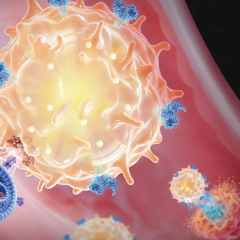
The team discovered six unique eosinophil populations in the adipose tissue of mice. Female mice exhibited higher numbers of protective eosinophils that communicate with macrophages, supporting anti-inflammatory functions. Conversely, male mice on a high-fat diet showed eosinophil populations linked to inflammation. This variation in immune response between sexes may shed light on the differing patterns of obesity development.
Additionally, the scientists identified a protein called RELM that facilitates interaction between eosinophils and macrophages. Administering RELM to mice demonstrated a protective effect, suggesting potential new avenues for obesity treatment. While eosinophils have also been found in the fat tissue of obese humans, their precise role in human obesity remains to be fully understood.
Currently, the researchers are advancing their work by developing three-dimensional human fat tissue organoids. These models aim to deepen the understanding of the mechanisms that influence obesity and related diseases, potentially guiding the creation of more effective therapies and preventive measures.
This study highlights the critical importance of considering sex differences in obesity and metabolic disease research. As obesity rates continue to rise globally, gaining insight into how it affects diverse populations differently is essential for devising targeted treatment strategies. Moreover, these findings open promising new directions in immunology and metabolism research, which could lead to innovative approaches for preventing and managing obesity.
Understanding the biological mechanisms behind obesity is crucial, especially when considering the impact on overall health. In a related study, researchers from Princeton have uncovered how specific plant proteins can positively influence the gut microbiome and enhance intestinal health. These findings could provide valuable insights into managing obesity and its associated conditions. To learn more about the potential benefits of these plant proteins, visit how plant proteins improve gut health.

Read also