Scientists Propose a Space Shield to Safeguard Earth from Solar Storms

The StormWall Project
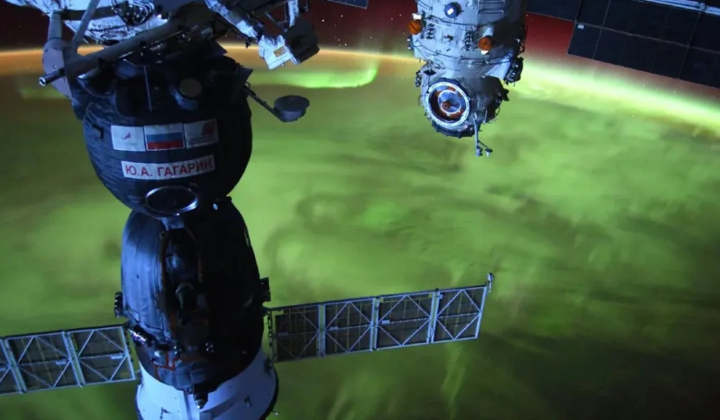
According to НВ — Техно: Published on July 2 at 4:00 PM, a groundbreaking study in the journal Space Weather introduces the StormWall initiative, which aims to deploy a satellite constellation capable of reducing the intensity of geomagnetic disturbances in the atmosphere by over 50%. This system is designed to protect our planet from the harmful effects of solar activity, particularly events akin to the Carrington Event of 1859, a massive solar storm that disrupted telegraph systems worldwide.
StormWall involves launching six large satellites into geosynchronous orbit, positioned approximately 36,000 kilometers above Earth. These satellites will release gases-such as barium, lithium, sodium, or calcium-to create a plasma barrier. Physicists explain that this barrier will
“meet, partially soften, and deflect the incoming flow of solar material, steering it around the planet”
(physicists). To generate this barrier, a total gas volume equivalent to about twelve large tanker trucks is required.
System Drawbacks
However, the system has its limitations. The satellites are single-use, meaning once their gas reservoirs are depleted, they must either be refueled or replaced. Independent aerospace experts, including representatives from NASA and leading U.S. universities, have described the concept as both innovative and feasible, opening new avenues for mitigating the adverse effects of solar activity.
Given the rising solar activity and the potential for geomagnetic storms, the StormWall project could represent a critical advancement in ensuring Earth's technological security. By establishing a plasma barrier, it could significantly reduce risks from electromagnetic disruptions that threaten power grids and communication systems. Successful implementation of this initiative might also drive further progress in space technology and research.
As scientists explore innovative solutions like the StormWall initiative to combat solar storms, it's also essential to consider how advancements in satellite technology can enhance our understanding of natural disasters. For instance, a recent breakthrough by NASA has led to the first-ever capture of a tsunami image, revealing significant insights into earthquake magnitudes. This development underscores the importance of satellite observations in monitoring and mitigating the impacts of extreme weather events. Learn more about this fascinating discovery here.

Read also