Scientists have discovered what the houses of Pompeii smelled like before the eruption of Vesuvius

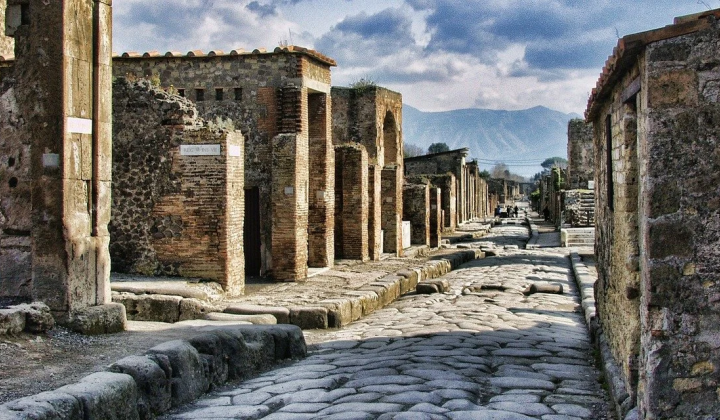
Ash analysis. Scientists have found out what the houses of Pompeii smelled like before the eruption of Vesuvius
According to НВ — Техно: Research of ash from two terracotta burners found in Pompeii and Boscoreale showed that during religious rituals, primarily woody plants were burned, such as oak, laurel, stone fruit family plants, and herbs. The analysis, published on August 10 at 1:00 PM, provides archaeological evidence of the use of plants and aromatic substances by the inhabitants of Pompeii around 2000 years ago.
One of the burners was discovered in Pompeii, in a building that had been converted into an inn. The other burner remained in a household shrine of a villa in Boscoreale. Scientists found that predominantly woody plants were burned in the burners, most of which were available in the vicinity of Pompeii. No traces of dried animal dung were found, indicating the specificity of religious practices at that time.
Conclusions of the study
During the study, chemical traces of aromatic resin from the family of frankincense were also found. This resin was likely elemi, which was brought from distant regions. In particular, resins could have come from:
- Arabia
- Tropical Africa
- Asia through the Red Sea and Alexandria
Possible traces of grape products, including wine or vinegar, were found in one of the burners; however, it was not possible to completely rule out modern contamination of the samples.
Previously, the use of incense in domestic rituals by the Romans was mainly known from written sources. The new study, which revealed characteristic plant remains and aromatic substances, confirms the practices of religious rituals in ancient Pompeii and expands knowledge about the cultural customs of that time.
These results not only complement the knowledge of ancient Roman culture but also open new horizons for the study of religious practices related to the use of plants and scents. The eruption of Vesuvius in 79 AD was a catastrophe that destroyed the city, but modern studies like this allow us to reconstruct the way of life of its inhabitants and understand how they interacted with their environment. Ash analysis may serve as a foundation for further archaeological research in this important historical location.

Read also