The protein TIMP2 can restore the youthful activity of immune cells in the brain

Youth at the Cellular Level of the Brain
According to НВ — Техно: American researchers have presented data that the protein TIMP2 is capable of restoring the activity of protective cells in the central nervous system. The material on this was published on August 24 at 09:32. With age, microglia - the brain's internal guardian - cease to handle their tasks, which is associated with chronic inflammation and the accumulation of damaged structures. Aging is considered the main risk factor for developing Alzheimer's disease, which is why this new work attracted attention.
What Did the Scientists Discover?
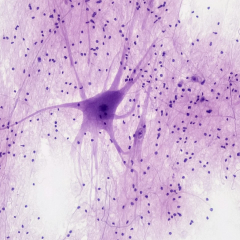
Microglia support neural connections, clear dead fragments, and respond to damage. However, over time, these cells lose their effectiveness and transition into a pathological form, releasing toxic proteins. The team led by Brittany Gemmer examined how the brains of mice would behave if TIMP2 were completely removed or only from neurons and microglia.
Using RNA sequencing of individual nuclei and real-time tissue probing, the authors established: without TIMP2, molecular signs of aging are activated in protective cells. In the intercellular space of the brain, the levels of proteins associated with stress and inflammation sharply increase.
“TIMP2 helps immune cells clear biological waste and suppress destructive reactions. Previously, we showed that this protein is involved in synaptic plasticity through the extracellular matrix. Now it becomes clear: it regulates several key processes,” explained Joseph Castellano.
When elderly mice were systemically administered TIMP2, microglia began to capture and digest damaged synaptic material in lysosomes again. Furthermore, inflammatory signals disappeared, and the cells returned to a state characteristic of young animals. The article was published in SciTechDaily.
The discovery of the role of TIMP2 in the activity of microglia brings us closer to understanding how the brain ages and why neurodegenerative diseases occur. In the future, this protein could become a target for Alzheimer's therapy and similar conditions. For English-speaking audiences, this is particularly interesting against the backdrop of growing attention to the problems of age-related cognitive disorders.
A study conducted at Stanford also highlights the importance of the immune system in the context of aging. Scientists have found that failures in immune mechanisms can be one of the main factors contributing to age-related changes. To learn more about how exactly impaired immune system function can affect aging, you can read our article according to Stanford.

Read also