A new method could let cement factories scrub CO2 straight from the air, researchers say

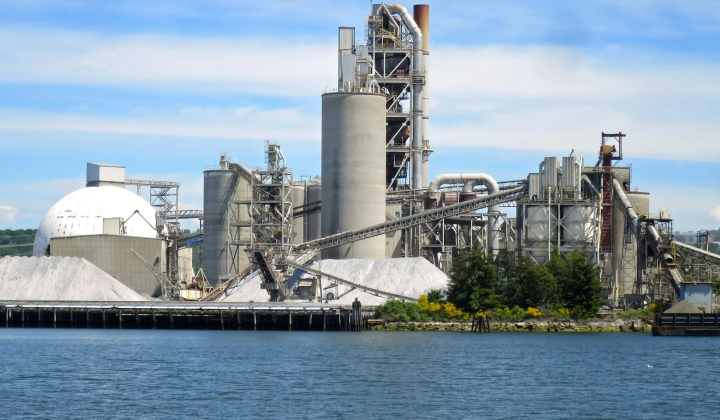
Rethinking cement plants as carbon removal tools
According to НВ — Техно: As heavy industry looks for ways to decarbonize, a team at ETH Zurich has developed an approach that could allow cement plants not only to reduce their own carbon dioxide emissions but also to pull CO2 out of the surrounding atmosphere. The technique is based on direct air capture through the calcium cycle. Cement production accounts for 5 to 8 percent of global CO2 emissions, and the high-temperature processing of limestone (calcium carbonate) inevitably releases large amounts of the gas.
13 August, 21:15
The manufacturing process and its climate impact
Cement manufacturing requires heating limestone to obtain quicklime. The CO2 released in this step can be collected and stored underground, while the slaked lime is able to absorb carbon dioxide directly from the ambient air. This discovery could significantly change the environmental profile of cement plants, allowing them to lower their emissions and help clean the atmosphere at the same time.
Computer simulations suggest that fully electrified cement kilns combined with direct carbon capture could reduce the sector's climate impact by 78 percent by 2050. If clean renewable electricity is used, the greenhouse gas removal efficiency could reach 85 to 96 percent. For every ton of CO2 captured and stored below ground, the process chain would produce only 40 to 150 kilograms of emissions.
This new approach could prove vital in tackling climate change, giving cement plants a role as active agents in cleaning the air rather than simply sources of emissions.
Wider adoption of technologies that let cement plants both cut their own emissions and actively remove CO2 from the atmosphere could reshape current climate strategies. The research underscores the importance of innovation in industrial processes and its potential to reduce environmental damage. Such solutions may become a key part of global efforts to meet emission reduction goals and move toward a more sustainable economy.
As the cement industry seeks innovative solutions to reduce its environmental footprint, similar advancements in other sectors, such as the conversion of coal to graphene without combustion in China, highlight the potential of chemical processes to transform traditional practices. Exploring these breakthroughs can provide valuable insights into how industries can evolve towards sustainability. For more on this innovative approach, check out how coal is being transformed into graphene.

Read also