Severed Sea Cucumber Parts Survive for Years in Ordinary Water

Biologists' Discovery About Sea Cucumbers
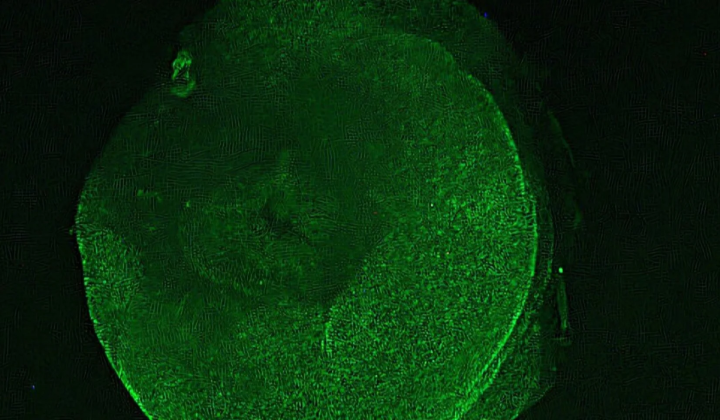
According to НВ — Техно: Biologists have found that severed tissue fragments from sea cucumbers-including their tube feet, body walls, and tentacles-can endure for years when placed in standard, non-sterile seawater. This finding challenges established views on tissue immortality and holds promise for biomedicine, particularly in wound healing and regeneration. The research, sparked by an accidental observation, revealed that discarded remnants of tube feet from a cold-water sea cucumber species resisted decay over extended periods.
Scientists placed fragments of tube feet, body walls, and tentacles into flowing, non-sterile seawater. Notably, these fragments lacked a mouth or digestive system. Despite this, they absorbed dissolved amino acids directly from their surroundings. Isolated cells remained active, showing structural reorganization and immune defense functions. The sea cucumber samples fended off infections in bacteria-rich water, underscoring their viability.
Implications for Regenerative Medicine
Specialized cells migrated to wound sites, combated microbes, and drew in organic nutrients for sustenance. Previously, long-term experiments in science relied on cell lines like HeLa, which require sterile conditions and cannot move or heal on their own. As the researchers note,
“the discovery challenges assumptions about what is possible for tissue immortality and opens exciting possibilities in the biomedical field”
.
Rachel Sipley, one of the scientists, added:
“We haven't yet grown a new, whole sea cucumber, but we are seeing quite astonishing growth and diversification of cells literally years after the tissue was removed. It's like a lizard losing its tail. We know some lizards can regrow new tails; we are talking about whether a tail could grow a new lizard”
. This breakthrough could significantly influence future research in regenerative medicine.
The biologists' discovery regarding sea cucumber tissue survival in non-sterile environments may reshape approaches to regenerative medicine. If further studies confirm the potential for whole organisms to regenerate from individual fragments, it could open new horizons for treating injuries and developing novel therapies. These results highlight the importance of studying natural regeneration mechanisms in organisms and applying them to medicine. This could have far-reaching implications for understanding healing and tissue repair processes in humans.
This groundbreaking discovery about sea cucumbers adds to the growing body of research on tissue viability, paralleling recent advancements in other fields. For instance, German scientists have successfully frozen and revived brain tissue, showcasing the potential for regenerative medicine across various biological systems. To learn more about this fascinating development in neuroscience, visit the successful revival of live brain tissue.

Read also