Ukraine's 2026 War Effort: Shifting the Battlefield and Striking Deep Within Russia

An Analysis of Ukraine's Military Situation in 2026
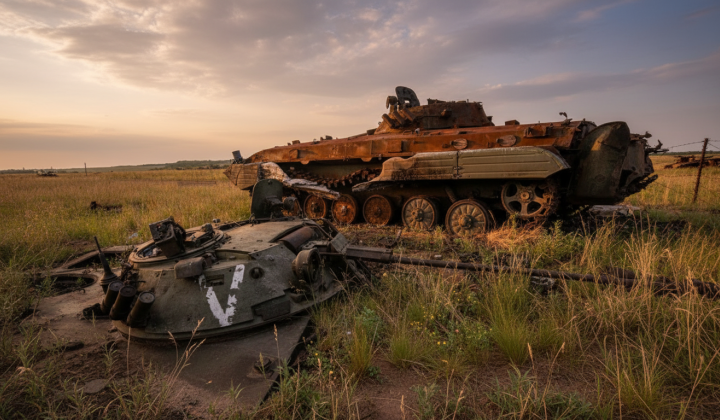
According to ХВИЛЯ: As of February 2026, Russia's full-scale invasion of Ukraine has entered its fifth year. According to the New York Times, Ukraine has now recaptured more territory than it has lost. Throughout 2025, the Russian army managed to seize less than one percent of additional Ukrainian land, a clear indicator of significant battlefield successes for Ukrainian forces, both at the front and deep inside Russia.
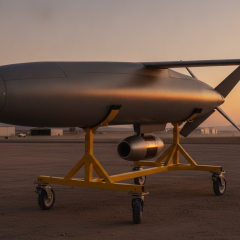
Ukrainian forces have prioritized the development of long-range missiles and drones since 2022. This strategy has yielded results, with Ukraine employing its 'Flamingo' cruise missiles to strike a major Russian industrial facility critical to Moscow's missile program. Furthermore, a series of Ukrainian drone attacks has reduced Russia's oil export capacity by at least 40 percent, according to Reuters data. Ukrainian naval drones have also proven highly effective, sinking or damaging dozens of Russian warships.
At the start of 2026, Russia's monthly military casualties are exceeding Moscow's capacity to replenish its personnel. This critical strain is a consequence not only of intense combat but also of the successful evolution of Ukraine's long-range strike capabilities. The conflict has evolved into a war of attrition where technological innovation and industrial capacity are as crucial as frontline tactics.
Peace Talks and Leadership Statements
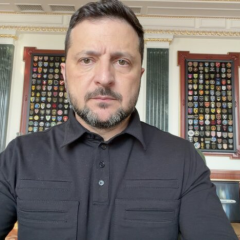
Bilateral peace negotiations between Ukraine and Russia took place in 2025. However, U.S. President Donald Trump asserted that a Russian victory was inevitable and urged Ukraine to make concessions. These comments caused concern among Ukrainian leaders, including President Volodymyr Zelenskyy, who stated:
'We must expose every Russian lie, because the truth restores justice.' - Volodymyr Zelenskyy
Meanwhile, Russian politician Vladimir Medinsky remarked: 'We fought with Sweden for 21 years. How many years are you ready to fight?' This statement underscores the protracted nature of the conflict from Russia's perspective and its willingness to engage in a prolonged military campaign.
Overall, the situation in Ukraine remains tense, yet its forces are demonstrating considerable progress on the battlefield and in the development of their military capabilities. The prolonged military confrontation has serious implications not only for the region but for global security and economic stability. The growth of Ukrainian military power and the depletion of Russian resources could reshape the balance of power in Europe, making future diplomatic initiatives critical to watch.
As the conflict continues to evolve, understanding the challenges faced by the Russian military in recent years is crucial. Analyst Michael Kofman highlights the mounting difficulties for Russia's forces, particularly in terms of drone parity and significant losses. This analysis provides valuable insights into the broader context of the ongoing war and the implications for future military strategies. For a deeper look at these developments, see Kofman's assessment of Russia's military challenges in 2025.

Read also