How to Assess a Building's Value in Ukraine's War-Torn Real Estate Market

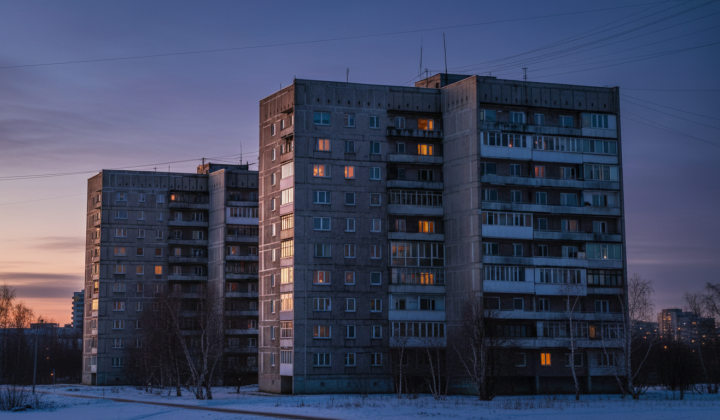
Segregation in Ukraine's Housing Stock
According to ХВИЛЯ: Real estate manager Olga Rublova, speaking on political analyst Yuriy Romanenko's show, highlighted a rapid segregation within Ukraine's housing stock, driven by the ongoing war and energy crisis. She explained that starkly different categories of buildings are emerging, with significant disparities in livability and comfort. Rublova noted that buildings where residents have organized, funded self-sufficiency, and installed modern systems like LiFePO4 batteries or generators have a real chance of thriving, and their market value is poised to increase.
Conversely, other buildings risk becoming what she termed 'vertical ghettos.' These are structures where elevators are broken, forcing residents to carry water in bottles to upper floors. Common areas become dark and dirty as residents cannot afford fees.
"Wealthy or proactive people are the first to leave such buildings,"
Rublova stated, adding that only those without the financial or intellectual resources remain, leading to the building's rapid degradation. This situation is a direct consequence of the conflict, which has placed immense strain on infrastructure and household finances.
Rublova emphasized that the condition of a building's stairwell, basement, and roof are critical indicators of an apartment's true worth.
"You can install a golden toilet, but if the elevator smells or doesn't work, or the basement is flooded, your apartment loses 30–50% of its value,"
she said. She stressed that homeowners who skimp on their building association fees ultimately lose far more in the capital value of their property.
Advice for Prospective Buyers
For those considering a property purchase, Olga Rublova offered several key tips:
- First: Look past the wallpaper and inspect the basement. If you're not allowed to see it, consider that a major red flag.
- Second: Speak with the head of the building's homeowners' association. Inquire about the percentage of non-paying residents and any plans for energy modernization. If there are no plans and debts are high, steer clear.
- The elevator is your collective responsibility; owners must be aware of their duty to maintain common property.
The housing segregation described by Olga Rublova reflects the profound impact of war and economic crisis on urban life in Ukraine. The growing divide between well-maintained and neglected buildings could exacerbate social inequality, trapping residents of poorer areas in deteriorating conditions. This trend underscores the need for attention from authorities and society to find solutions for more equitable access to quality housing. For potential buyers, it is crucial to understand the risks of investing in property that may not only be financially unsound but also unsafe and difficult to live in.

Read also