Global Chip Production Faces New Threat from Potential Iran Conflict

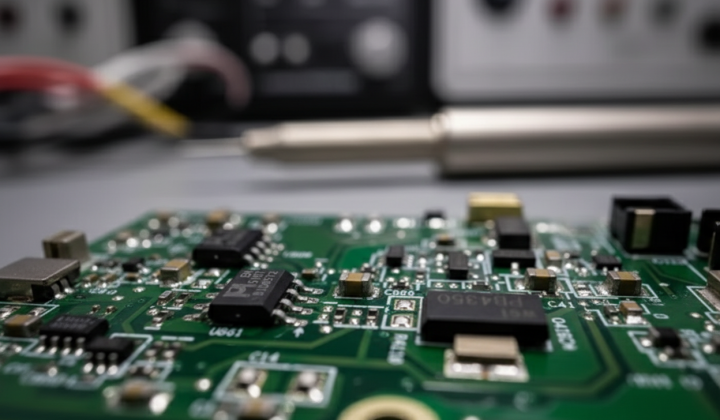
Semiconductor Manufacturing at Risk from Middle East Tensions
According to Главком: South Korea's semiconductor industry has issued a stark warning: a potential war involving Iran could severely disrupt the global supply of chips. Ruling party lawmaker Kim Young-bae highlighted the specific danger to the supply of helium, a critical material used to cool manufacturing equipment. Only a handful of countries produce this essential gas, with Qatar being a primary supplier. The global chip industry is already under immense strain from soaring demand, making any new supply shock particularly dangerous.
Threats to the Global Technology Market
The stability of semiconductor production is increasingly precarious, driven by surging demand from artificial intelligence systems and data center construction. Shortages directly impact the manufacturing of smartphones, computers, and automobiles. As Kim Young-bae stated,
“Officials have raised concerns that semiconductor production could be disrupted if certain key materials cannot be obtained from the Middle East.”
Recent U.S. and Israeli strikes on Iran have already triggered a sharp spike in energy prices. Furthermore, the strategic Strait of Hormuz, a chokepoint for roughly 20% of the world's oil exports, underscores the region's critical importance to the global economy and, by extension, the chip industry. This reliance on a volatile region exposes a key vulnerability in the technology supply chain.
Escalating Middle East tensions pose serious consequences not just for South Korea's production but for the entire global tech market. Should conflict erupt, countries dependent on imported key materials will face severe challenges in securing their manufacturing lines, likely leading to shipment delays and higher consumer prices. This situation underscores an urgent need for importing nations to diversify their supply sources and reduce dependence on politically unstable regions.

Read also