The War in Ukraine Has Become a Race of Strikes

Ukraine War: An Analysis of Strike Campaigns
According to ХВИЛЯ: According to analysts Benjamin Jensen and Yasser Atala from the U.S.-based Center for Strategic and International Studies (CSIS), the conflict in Ukraine has evolved into a contest between two strike campaigns. They argue this shift is more likely to push both sides toward negotiations within the next six months than ongoing frontline battles. These campaigns involve Ukrainian attacks on Russia's energy infrastructure and Russia's retaliatory strikes on Ukraine.
Kyiv is prioritizing mass drone production, artificial intelligence, and low-cost long-range strikes. Data from ACLED shows that aerial and drone attacks on Russia numbered roughly 580 in 2023, climbing to 7,244 in 2024. Of those, 901 targeted energy facilities. In the first half of 2025 alone, 6,176 such assaults have been recorded.
It's worth noting that before the invasion, taxes and export duties on oil and gas accounted for 45% of Russia's federal budget revenue. Ukraine is targeting this revenue stream using Sea Baby naval drones and aerial unmanned systems to strike tankers in Russia's shadow fleet. A recent attack on 90 vessels halted shipping in the Sea of Azov.
Russia's Response and Analyst Recommendations
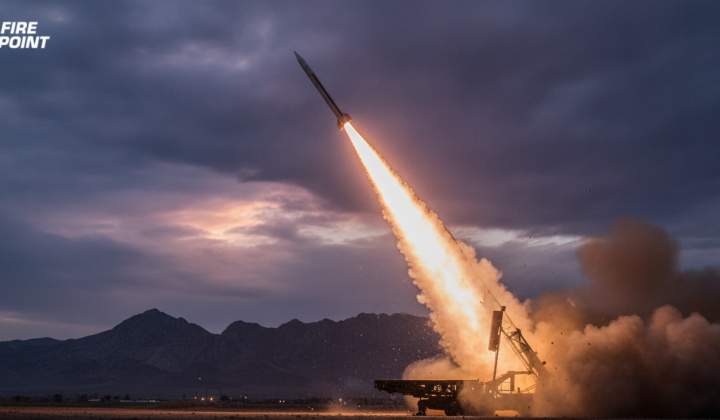
On the other side, Russia is intensifying its 'punitive campaign.' Ukrainian forces have long been intercepting drones and cruise missiles-Shahed drones are shot down over 85% of the time. However, between 2023 and 2025, Russia increased ballistic missile launches by over 700%, while interception rates dropped by 36%. By 2026, the ballistic missile interception rate is projected to be just 10.2%. Since the start of 2026, Russia has already launched 167 ballistic missiles at Ukraine; at the current pace, it could fire up to 840 by year's end.
“If only 10.2% of 840 ballistic missiles are intercepted, that leaves 754 devastating strikes capable of shifting the balance of resolve.” - CSIS
In this context, analysts propose three key steps for Ukraine's partners:
- Target sanctions evasion networks more aggressively.
- Expand intelligence support for strikes on Iskander launch systems and factories deep inside Russia.
- Accelerate joint production of Patriot interceptors in Europe.
These measures could significantly influence the conflict's trajectory and help pave the way for peace.
The situation analysis shows both sides are actively leveraging cutting-edge technologies and strategies to boost their military capabilities. Meanwhile, CSIS analysts' forecasts about potential negotiations suggest the war may enter a new phase where diplomatic efforts take center stage. International support for Ukraine and partner efforts to counter Russian aggression remain critical for regional stability.
As the conflict intensifies, Ukraine's strategic use of drone strikes has become increasingly effective, significantly impacting Russian military capabilities. For a deeper understanding of how these aerial assaults are reshaping the battlefield dynamics, explore our analysis on how drone operations are giving Ukraine a decisive advantage over Russian forces in this ongoing war. Ukraine's drone strikes are decimating Russian troops.

Read also