Human CO2 Emissions Increased by 74% Between 1985 and 2015, Driven Mainly by Population Growth

Examining Carbon Dioxide Emissions from the Human Body
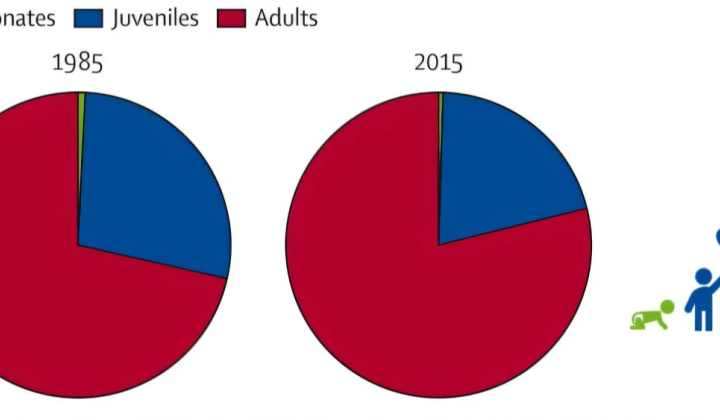
According to НВ — Техно: A study conducted by researchers at the Centre for Exercise, Nutrition and Health Sciences at the University of Bath in the UK revealed a substantial rise in the amount of carbon dioxide released by humans from 1985 to 2015. According to their findings, annual CO2 emissions from human respiration reached 2.05 billion metric tons in 2015, marking a 74% increase compared to 1985.
The research attributes around 60% of this growth to demographic changes, particularly the expanding global population. By analyzing physiological data across a wide age range-from infants to the elderly-the study offers a comprehensive overview of CO2 emissions linked to human metabolism.
Environmental Implications of Human CO2 Output
CO2 exhaled by people forms a natural part of the carbon cycle, as it originates from food derived from plants that absorb carbon dioxide from the atmosphere. However, this differs greatly from emissions caused by burning fossil fuels, which release carbon stored underground for millions of years.
The study's results, published in The Lancet Planetary Health, aim to refine carbon accounting models and enhance the accuracy of environmental policy forecasting.
Importantly, the researchers emphasize that this increase in CO2 emissions from human metabolism is not a primary driver of current climate change, and there is no suggestion to alter diets or limit physical activity based on these findings.
This investigation highlights the significance of incorporating human metabolic CO2 in overall carbon budgets. The rise in emissions, largely fueled by population growth, presents important considerations for resource management and the development of effective environmental strategies moving forward.
- The findings offer valuable insights for shaping environmental protection policies.
- Physiological data gathered provides new perspectives for scientific research.
- Applications of this knowledge can support practical ecological initiatives.
The ongoing rise in carbon dioxide levels is not just a result of human respiration; it is also influenced by broader environmental factors. As highlighted in related research, the acceleration of global warming is closely tied to unprecedented CO2 concentrations, despite the increasing share of electricity generated from low-carbon sources. Understanding these dynamics is crucial for effective climate action and resource management.

Read also