A Modern Prosthetics Center for Ternopil: Health Minister Viktor Liashko Signs Key Agreement

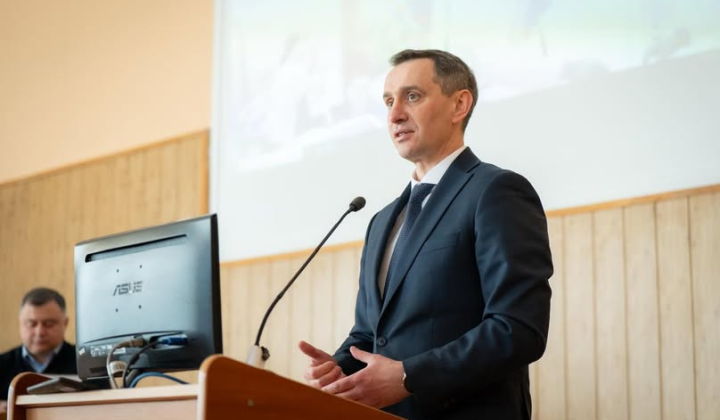
Health Minister's Working Visit to Ternopil Region
According to Міністерство Здоров'я: During a working trip to the Ternopil region, Health Minister Viktor Liashko signed a memorandum to establish a modern prosthetics and rehabilitation center. This initiative is part of Ukraine's broader effort to rebuild and enhance its healthcare system following the war. The visit also included the introduction of the new rector of the I. Horbachevsky Ternopil National Medical University, discussions on medical education development, and a tour of the GARTA prosthetics center.
Minister Liashko visited Ternopil National Medical University. The planned center in Ternopil aims to create an integrated, international-standard facility for prosthetics, rehabilitation, and specialist training. The memorandum of cooperation was signed by:
- Ternopil Regional State Administration
- Ternopil Regional Council
- Ternopil Regional Clinical Psychoneurological Hospital
- Ternopil National Medical University
- Ivan Pului Ternopil National Technical University
- German strategic partners Life Bridge Ukraine gGmbH and Human Study e.V.
The event introduced the new rector of Ternopil National Medical University, Petro Lykhachkyi. Prosthetist-orthotist training is ongoing at four universities in Ukraine, with 84 students enrolled in the master's program, 14 of whom are at Ternopil National Medical University. The first graduates from this program are expected this year. Additionally, 37 specialists have already qualified as prosthetist-orthotists through postgraduate programs.
Addressing Healthcare Priorities
Minister Liashko also toured the GARTA prosthetics and adaptation center, where services are funded by the state budget. During his visit, he met with the head of the regional military administration, leaders of territorial communities, and heads of regional healthcare institutions. Discussions covered the availability of free medical services and medicines, support for medical workers, the development of rehabilitation and mental health services, and the implementation of the 'Health Screening 40+' program.
“The healthcare system works effectively when there is constant coordination between central and regional levels,” Viktor Liashko noted during the meeting.
Key directions for developing medical education were identified, including:
- Strengthening the clinical component of training
- Implementing unified approaches to simulation-based learning
- Increasing university participation in clinical research
- Developing scientific potential
Future prospects were also discussed, particularly in mental health, with the 'Chervona Kalyna' educational and health complex considered as a potential base for a modern mental health center.
This visit underscores the critical integration of medical education and clinical practice in Ukraine, especially in the vital fields of rehabilitation and prosthetics. The new center in Ternopil aims not only to improve the quality of medical services but also to train highly qualified specialists to international standards. This represents a significant step in developing medical infrastructure and ensuring access to innovative care for the population.

Read also