Hungarian PM Orban Accuses EU of Censorship as Poll Shows Majority Doubt His Leadership

Orban's Censorship Allegations Against the EU
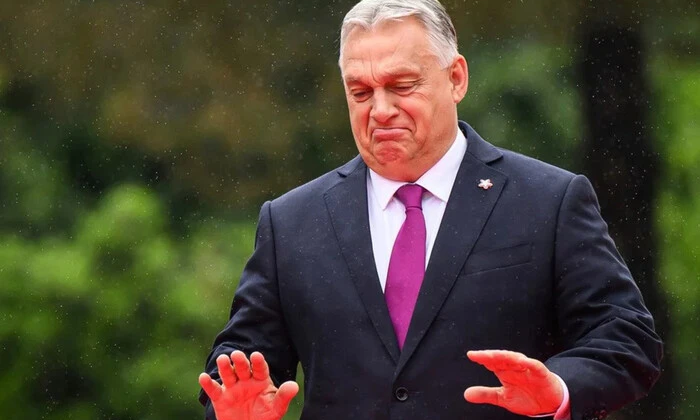
According to Главком: In a social media post on February 5, 2026, Hungarian Prime Minister Viktor Orban accused European Union institutions of censorship. He claimed this was due to the bloc's ban on Russian information sources following the invasion of Ukraine. Orban stated that sanctions against Russian propaganda were implemented and strengthened after the war began, leading the EU, specifically the European Commission, to block Russian media outlets from operating within the Union.
Orban asserted that within the EU, only arguments and reports supporting the Ukrainian position are permitted. He claimed a public regulation exists that prohibits member states from accessing Russian perspectives. He declared:
'The situation today is this: when you watch television, listen to the radio, or use the internet in the European Union, only arguments, reports, and analysis supporting the Ukrainian position are allowed. Simultaneously, a regulation exists that forbids member states from familiarizing themselves with the Russian argument.' Viktor Orban
This criticism comes amid a tense political climate in Hungary, where Orban's government has frequently clashed with Brussels over rule-of-law and media freedom issues. A recent sociological survey revealed that 55% of respondents in Hungary doubt the appropriateness of Orban remaining in the role of Prime Minister. Among voters for the ruling Fidesz party:
- 4% share this opinion,
- 94% of party supporters continue to back Orban.
In his critique, Orban further described the EU's actions as 'Brussels censorship, which is Orwellian in its essence.' He expressed concern about the state of free speech in Europe, emphasizing that 'Europeans have the right to hear all arguments and draw their own conclusions.'
EU Debates on Free Speech
Orban's statement highlights growing controversies within the European Union concerning free speech and information policy in the context of the Ukraine conflict. His criticism can be seen as an attempt to underscore the importance of pluralism in the information space. However, it also raises questions about balancing the fight against disinformation with the protection of free speech. The poll results indicate that the political situation in Hungary remains polarized, which could influence the future development of the country's political landscape.

Read also