Dead Cells Become Hidden Shelters for Viruses Evading the Immune System

Breakthrough by Australian Researchers
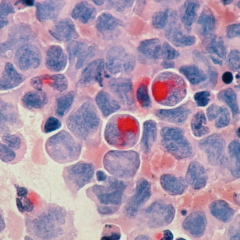
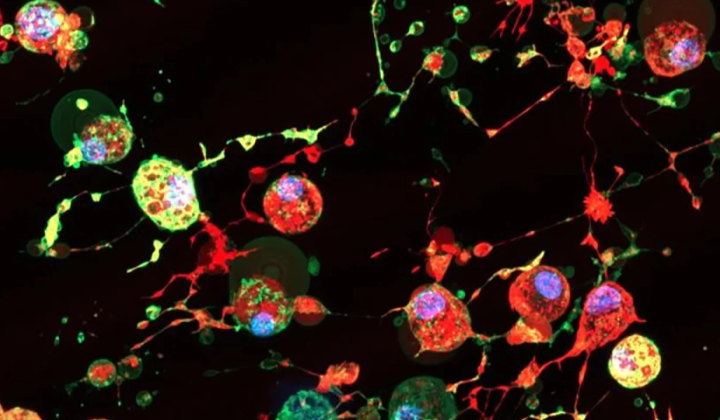
According to НВ — Техно: A newly uncovered mechanism for viral spread inside the body could reshape how scientists understand infection. Researchers at La Trobe University in Australia have discovered that during apoptosis-the programmed self-destruction of cells-tiny particles called F-ApoEVs are released. These microscopic fragments can shield viral agents, allowing them to infect healthy cells. The team made this finding using three-dimensional time-lapse imaging, which enabled them to observe the process in detail.
Experiments and Their Implications
In experiments with the influenza virus, the researchers found that some viral particles hide inside these F-ApoEVs. This discovery challenges long-held assumptions about how infections occur.
“Previously, it was believed that cell destruction during death was a fairly simple and random process,” said Ivan Poon, one of the study’s authors.
The researchers also highlight the immune system’s critical role in clearing dead cells from the body, which helps prevent inflammation and autoimmune diseases.
“The team was aware of the immune system’s role because it helps prevent inflammation and autoimmune diseases,” added Stephanie Rutter.
Although the results come from laboratory conditions alone, they open new avenues for further investigation. “Scientists did not expect that viruses could use this process to infect,” emphasized Stephanie Rutter.
Every day, hundreds of billions of cells in the human body die and are replaced. If this newly identified mechanism is confirmed, it could lead to the development of drugs that block viral spread or enhance immune function.
These findings underscore the importance of understanding new infection pathways, which could have practical applications in medicine. The research was reported by Science Alert. Researchers hope that continued work in this field will yield effective strategies for combating viral infections.
The Australian team’s study opens fresh perspectives for investigating viral infections and their interactions with host cells. Clarifying the mechanisms that allow viruses to evade immune responses and infect healthy cells could form the basis for new therapeutic approaches. Further experiments in this area may make a significant contribution to medical science and public health, helping to create more effective vaccines and drugs to fight viruses.
This research not only sheds light on viral behavior but also raises questions about the effectiveness of existing antiviral strategies. Understanding the mechanisms behind infection is crucial, especially in light of recent findings that challenge the notion of a uniform antiviral defense in animals. To explore this topic further, you can read about how new studies are debunking the myth of a universal antiviral system in the animal kingdom here.

Read also