A Pre-Election Meeting in Budapest: The Significance of US VP Vance's Talks with Hungary's Orbán

JD Vance's Trip to Hungary
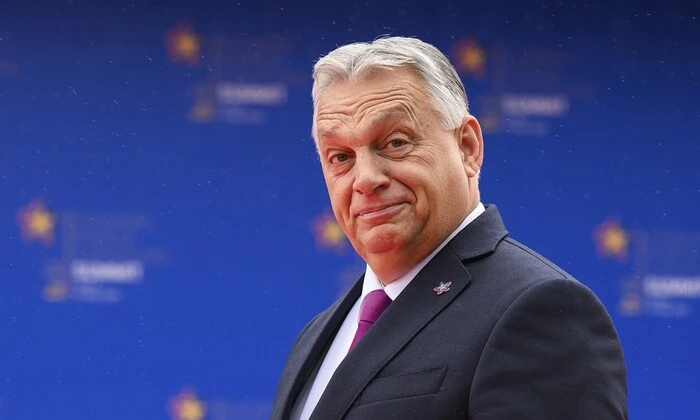
According to Главком: On April 7, US Vice President JD Vance arrived in Budapest for a meeting with Prime Minister Viktor Orbán, who has held power for 16 years. The visit comes just ahead of Hungarian elections and amid a shifting political landscape, with the opposition party 'Tisza,' led by Péter Magyar, now leading in the polls. This meeting is particularly notable given Hungary's status as the EU's most corrupt member state, according to official assessments, and its ongoing struggles with living standards and economic performance.
Statements and Pledges
During his visit, Vance made the following declaration:
“The United States will work with any new prime minister of Hungary.” - JD Vance
This underscores a US readiness to engage with new political forces in the country, which could be a significant factor in the changes promised by Magyar. Magyar has emphasized the urgent need to:
- combat systemic corruption;
- restore media independence;
- unlock billions in frozen EU assistance funds.
Magyar has also pledged to dismiss officials loyal to the current regime and dismantle Orbán's 'illiberal system.'
Hungary's economic situation remains a serious concern. While the Hungarian forint has strengthened to a three-year high, the country's per capita consumption now lags behind Bulgaria. Living standards have begun to fall behind those of neighboring Romania and Poland. In this context, Orbán's recent description of himself as 'the mouse that helps the lion' in a conversation with Vladimir Putin raises further questions about his government's political direction and foreign alignments.
Therefore, Vance's visit during the Hungarian election campaign signals clear US interest in the country's political transformation and a potential willingness to support new initiatives that could reshape Hungary's future political and economic trajectory. The trip suggests a possible recalibration of US foreign policy toward Central Europe, with a renewed focus on supporting democratic processes. An opposition victory could lead to a significant shift in Hungary's policy direction, impacting its relations with the European Union and influencing political dynamics across the region.
As the political landscape in Hungary evolves, the implications of Vance's visit are underscored by the recent reactions from neighboring nations. For instance, Ukraine's Foreign Ministry has labeled Vance's statements as mere campaign rhetoric, highlighting the broader geopolitical ramifications of these discussions. Understanding these dynamics is crucial for grasping the potential shifts in Hungary's alliances and governance.

Read also