Denmark Makes History: Women Now Outnumber Men in Government for the First Time

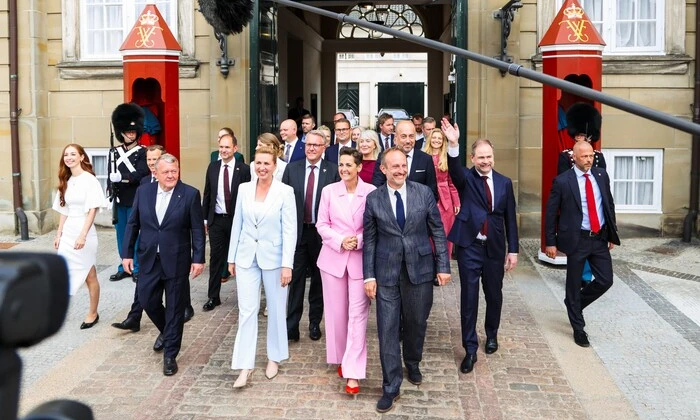
Denmark’s New Government
According to Главком: Prime Minister Mette Frederiksen has formed a new cabinet that sets a historic milestone: 11 women and 10 men now serve as ministers, giving women a 52% share. This marks Frederiksen’s third term in office. She remarked:
“For the first time in Denmark’s history, there are more female ministers than male ones.”
The coalition talks that led to this government were the longest ever recorded in the country. Four years ago, women made up 35% of the cabinet, but that figure dropped to around 30% early last year. At that time, Denmark ranked 60th globally for female representation in government. However, in the March elections, women secured 48% of the seats in the Danish parliament-a major step toward gender parity.
Gender Parity in Denmark
Denmark has now matched Finland in gender parity, surpassing Sweden (50% female ministers) and Norway (45%). The highest rate in the region belongs to Iceland at 54%. In the new government, Pia Olsen Dyhr has taken the role of Minister of Economy, and Samira Nawa has become Minister for Climate and Energy-making her the first woman from an ethnic minority to hold a ministerial post in Denmark.
Denmark has a long tradition of involving women in politics. Women gained the right to vote in 1915, and in 1924, Nina Bang became the country’s first female minister, serving as Minister of Education. The first female Prime Minister, Helle Thorning-Schmidt, took office in 2011. This new government, however, has opened fresh opportunities for women in politics and laid the groundwork for further changes in the nation’s gender policies.
The increased representation of women in Denmark’s government can serve as a model for other countries striving for gender equality in politics. This step highlights the importance of actively including women in state affairs, which can positively influence decision-making processes. Boosting women’s political participation may also shift societal attitudes toward gender equality, fostering a more inclusive and fair environment for all citizens.
This significant shift in Denmark’s political landscape not only reflects the growing influence of women in governance but also sets a precedent for other nations. For a deeper understanding of how this government formation aligns with Denmark's ongoing journey towards gender equality, you can explore more about the historic cabinet structure that has emerged in recent weeks.

Read also