Ukraine's New Mobilization Rules Take Effect April 1: Key Changes You Need to Know

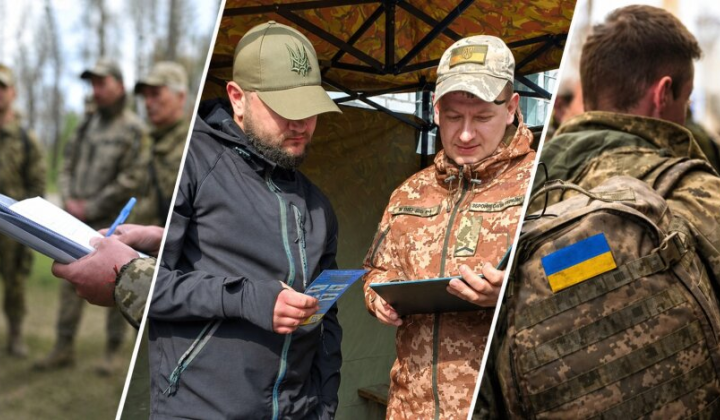
Updated Mobilization Framework in Ukraine
According to ХВИЛЯ: Starting April 1, 2026, Ukraine has introduced a revised mobilization system that tightens oversight and digitizes military registration. Martial law and general mobilization have been extended through May 4, 2026. Among the key innovations is the launch of electronic military records, allowing draft notices to be issued digitally, though paper summonses will remain in use as well.
Who Is Affected by the New Rules
Under the updated regulations, men aged 18 to 60 are subject to mobilization. Women may join the defense forces only on a voluntary basis. Individuals with disabilities, those with legal deferments, or those who have been granted reservation status are exempt from conscription. Notably, there are no special rules for men over 50 in the legislation; the general upper age limit for most reservists is 60. For senior officers, this limit is set at 65.
To improve the efficiency of the mobilization process, applications for deferments can now be submitted remotely, and reservation status is granted for a fixed period, typically six months. Those prioritized for mobilization include:
- individuals with combat experience,
- people with critical or scarce specialties,
- those deemed fit for service based on medical assessments,
- and those who do not hold a deferment or reservation.
In the Verkhovna Rada, draft law No. 15076 has been registered, aiming to clarify the operational rules for territorial recruitment centers. However, this bill has not yet been adopted. Attorney Maryna Bekalo noted that individuals subject to mobilization can be called up under general conditions if a military medical commission declares them fit for service and no grounds for a deferment exist. She also emphasized that mobilization quotas are not publicly disclosed, as they constitute classified information.
Categories eligible for a mobilization deferment include:
- those unfit for service due to health reasons,
- parents of three or more children,
- single mothers,
- legal guardians,
- relatives of fallen military personnel,
- individuals released from captivity,
- full-time students,
- employees of critical infrastructure enterprises,
- and certain categories of civil servants, researchers, and educators.
The updated mobilization order is designed to streamline military registration and enhance the effectiveness of conscription amid the ongoing war.
This overhaul of Ukraine's mobilization system marks a significant step in the context of the country's prolonged conflict. The shift toward digital military records and remote document submission aims to simplify the process while ensuring necessary transparency and control. Successful implementation of these rules will be crucial, as it directly impacts the state's ability to address security challenges during wartime.
As Ukraine continues to refine its mobilization processes, understanding the eligibility criteria and upcoming legal reforms becomes increasingly important. For a deeper insight into who qualifies for conscription and the legislative changes that are being proposed, explore this informative piece on Ukraine's mobilization policies.

Read also