Poland's Crackdown on Gas Cylinders in Apartment Blocks: Fines and Penalties for Residents

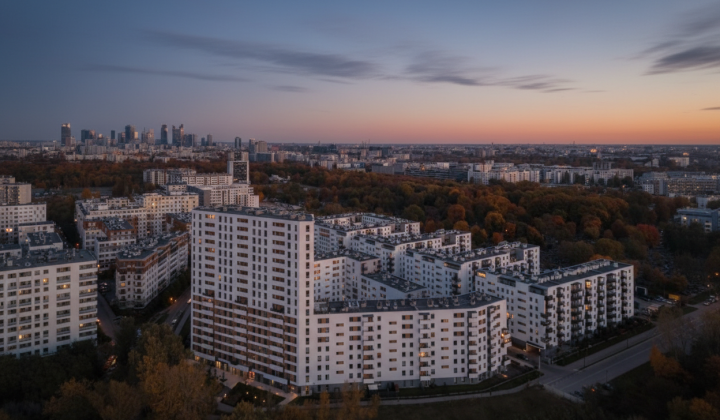
Poland's Restrictions on Gas Cylinder Use
According to ХВИЛЯ: Housing cooperatives and property management companies across Poland are issuing formal warnings to residents of multi-story buildings, reminding them of legal restrictions on the use of propane-butane gas cylinders. These rules, which carry the threat of substantial fines and even criminal liability for violators, are in place due to the severe risks these cylinders pose to life and safety. This enforcement drive highlights the country's ongoing efforts to modernize residential safety standards.
A wave of official notifications has been sent to apartment dwellers. The letters explain that propane-butane gas is heavier than air. In the event of a leak, this gas does not dissipate but instead accumulates near the floor, seeping into basements and elevator shafts. The smallest spark can then trigger a blast powerful enough to destroy an entire stairwell.
Apartment owners who ignore these established safety norms bear full civil and criminal responsibility for any resulting damages. Fire service and building inspection officials are authorized to conduct compliance checks. These are long-standing safety regulations designed to protect the lives of hundreds of people in a single building.
Key Prohibitions
Under the key restrictions, the use of propane-butane cylinders is strictly forbidden in buildings with more than four stories above ground level. The ban applies not only to apartments but also to basements, attics, and storage rooms. A decree from the Minister of Infrastructure also prohibits the simultaneous use of piped natural gas and cylinder gas within the same building. If a building has no gas installation whatsoever, cylinder use is similarly banned, and cooking is permitted only with electrical appliances like induction cooktops and ovens.
These measures aim to enhance safety levels in high-rise buildings, where the risk of explosions from gas leaks increases significantly. An important component is public education, as many residents may not fully grasp the dangers associated with gas cylinders. Strengthening oversight and accountability is intended to help prevent potentially catastrophic situations in the future.

Read also