Russian Attack Pollutes Dniester River, Raising Water Supply Fears for Odesa

Drinking Water Shortage Concerns in Odesa
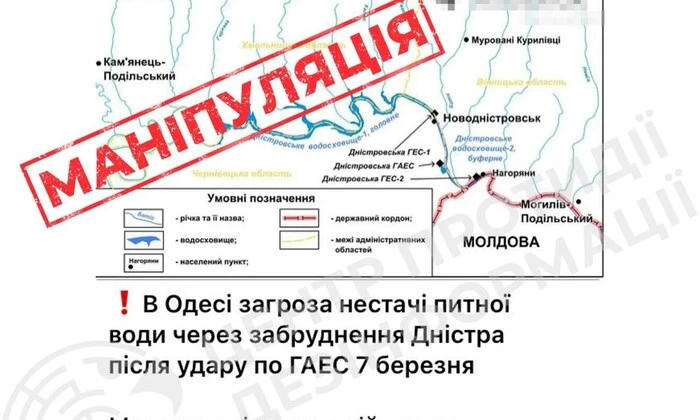
According to Главком: Reports circulating on Telegram channels have warned of a potential drinking water shortage in Odesa due to contamination of the Dniester River. Ukraine's Center for Countering Disinformation has labeled these reports as manipulative. On March 10, 2026, patches of industrial oil were detected in the Dniester River near the village of Liadova, within the Yaryshivska community of the Mohyliv-Podilskyi district in Vinnytsia Oblast. The oil slicks have drifted downstream, reaching areas including near the village of Naslavcea in Moldova.
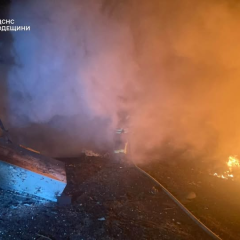
Preliminary findings indicate the pollution is linked to a leak of transformer oil from infrastructure facilities near the Dniester Hydroelectric Power Plant in Chernivtsi Oblast. This leak occurred following a Russian military strike carried out on March 7. The Dniester is a critical water source for southwestern Ukraine and Moldova. Confirmed oil slicks within Moldova's territory have prompted alarm among the nation's authorities.
Containment Efforts Underway
Specialists have collected water samples near Odesa's water intake point, in the village of Maiaky, and in the Dniester Estuary. Emergency meetings of commissions on technological and environmental safety have been held in Vinnytsia and Odesa oblasts. Ukraine's Ministry of Economy, Environment, and Agriculture is coordinating the response, involving the State Emergency Service, regional military administrations, the State Water Resources Agency, the State Environmental Inspectorate, and other responsible institutions.
Following coordination with Moldovan officials, rescue teams plan to deploy containment booms and apply sorbents to localize the pollution.
The situation regarding the Dniester River pollution demands urgent action from both Ukrainian and Moldovan authorities.
Monitoring water quality and implementing measures to prevent further spread of the contamination are critically important for protecting the ecosystem and ensuring the safety of the regional water supply. Cross-border cooperation in this crisis could prove vital for a rapid response to environmental threats stemming from warfare and industrial accidents.

Read also