Russian Strikes Cause Major Pollution in the Dniester River and Odessa's Coastal Waters

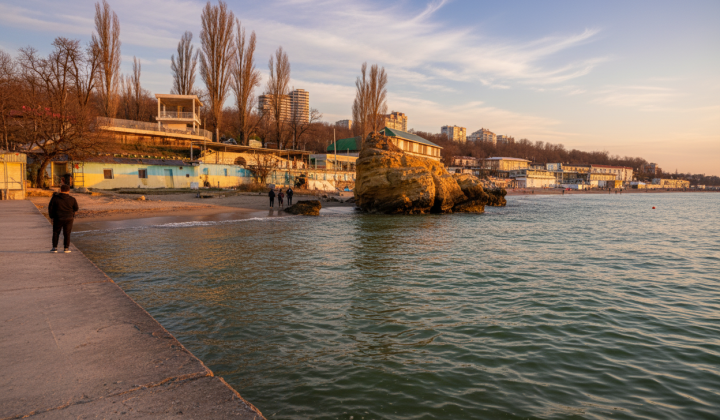
Pollution Crisis Hits Odessa's Coast and the Dniester River
According to Главком: Military strikes by Russian forces have triggered a significant environmental crisis, contaminating the Black Sea coastline near Odessa and the Dniester River in Moldova. On Odessa's Lanzheron and Vydrada beaches, the water has turned a yellowish hue and emits a distinct odor. Inspectors from the State Environmental Inspectorate of the South-Western District documented patches of yellow and yellow-gray water with a smell reminiscent of sunflower oil. Laboratory tests confirmed a concentration of fats and oils in the seawater at 49.8 mg/dm³.
This incident is likely linked to an attack on port infrastructure that occurred after December 20, 2025. The strike caused sunflower oil to spill into the Adzhalyk Estuary, leading to the pollution of the adjacent Black Sea waters and Odessa's shoreline. As the inspection experts stated,
"Research results established the content of fats and oils at a level of 49.8 mg/dm³, which confirms the fact of pollution."
This level of contamination poses a direct threat to marine life and local ecosystems.
Water Supply Disruption in Moldova
Simultaneously, Moldova is facing a severe public utilities crisis due to the pollution of the Dniester River. In the city of Bălți, at least 50,000 residents have been left without running water. In a diplomatic move, Moldova's Ministry of Foreign Affairs summoned the Russian Ambassador, Oleg Ozerov, and presented him with a formal protest note. To underscore the severity of the situation, Moldovan officials also handed the ambassador a bottle of water collected from the Dniester River as tangible proof of the pollution's scale.
The contamination in both Odessa and Moldova has resulted in serious ecological and social consequences, demanding urgent action to resolve the situation. This crisis underscores the critical importance of environmental security during armed conflict, where infrastructure attacks can have devastating secondary effects on civilian populations. The disruption highlights the vulnerability of essential services and the complex challenges local authorities now face in restoring clean water access and mitigating environmental damage.
The situation in Moldova is equally alarming, as the contamination of the Dniester River has led to a public utilities crisis, affecting over 50,000 residents in Bălți who are now without access to clean water. This environmental emergency highlights the broader implications of the recent strikes on both sides of the border. For a detailed account of Moldova's response and the environmental challenges it faces, see more about the environmental emergency declared by Moldova.

Read also