Ukrainian Emergency Workers Killed: FPV Drone and Collapse Claim Rescuers' Lives


Tragic Loss of Emergency Service Workers in Ukraine
According to Главком: Ukraine has witnessed the tragic deaths of personnel from the State Emergency Service of Ukraine (SESU) due to Russian aggression and accidents. These incidents, occurring in the Sumy and Kyiv regions as well as the city of Kyiv, have claimed the lives of courageous rescuers. The ongoing full-scale war has placed immense and constant pressure on Ukraine's first responders.
Recent Fatal Incidents
In one recent case, rescuer Pavlo Kolysnyk was killed in the Velykopytsariv community of Sumy Oblast. Kolysnyk, a firefighter and rescuer with the 33rd State Fire and Rescue Station of the 1st State Fire and Rescue Unit of the SESU Main Directorate in Sumy Oblast, died when an FPV drone struck his vehicle as he returned from duty. He had served with the emergency service since 1997.
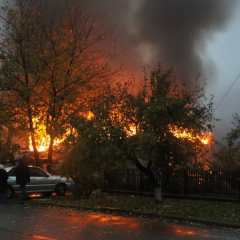
In Kyiv Oblast, rescuer Mykhailo Protsenko, who served as a chief master sergeant of the civil defense service, lost his life during emergency repair work at a site destroyed by Russian forces when structures collapsed. Separately, 36-year-old rescuer Oleksandr Zibrov, a firefighter with the 24th State Fire and Rescue Unit, died in hospital. Zibrov was caught in a repeated Russian strike on January 9 in Kyiv's Darnytskyi district, sustaining severe injuries, and succumbed after an 18-day fight for his life.
These tragedies underscore the extreme risks faced by rescue workers while performing their duties and the continuing lethal consequences of Russian aggression in Ukraine.
“The loss of these rescuers serves as a stark reminder of the dangers emergency service workers confront while carrying out their duties in a war zone.”
These incidents also highlight the urgent need for enhanced protection for rescuers and the provision of proper safety equipment, as their work is critically important for saving lives and restoring infrastructure. As the conflict persists, support for and recognition of their vital role becomes ever more crucial.

Read also