Saudi Arabia and Turkey Forge Land Corridor Amid Fears of Strait of Hormuz Closure

Fears Over a Potential Blockade
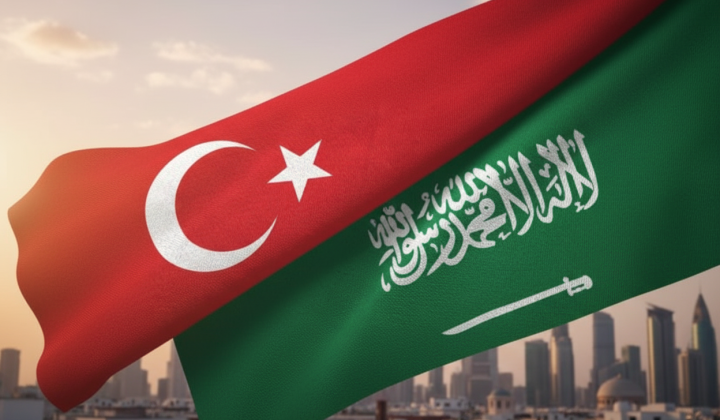
According to ХВИЛЯ: Global alarm over Iran's potential to shut down the Strait of Hormuz has prompted Saudi Arabia and Turkey to sign a pact establishing a new overland supply route. This corridor, which will traverse Jordan and Syria, is designed to transport oil products and fertilizers, bypassing the strategically vital Strait-a narrow maritime chokepoint for a massive share of the world's oil and fertilizer components. The Strait of Hormuz is one of the world's most critical energy arteries, and any disruption there sends shockwaves through global markets.
Mohammad Farajallah noted that 'the Strait of Hormuz has proven to be a weapon that has grabbed the global economy by the throat. And that has terrified everyone.'
He also commented on the interstate agreement between Saudi Arabia and Turkey, stressing that 'Saudi Arabia has now negotiated and signed an interstate treaty with Turkey to deliver fertilizers and oil products to Turkey by land, bypassing the Strait of Hormuz.'
The New Overland Route
The new land corridor will cross through Jordanian and Syrian territory, allowing shipments to avoid sea lanes controlled by Iran. A key part of the agreement is the simplification of visa procedures for truck drivers, which is intended to streamline logistics.
Farajallah emphasized that alternative sea routes, such as those around Africa, are 'extremely long and expensive,' making the new land route particularly relevant.
Wealthy Arab nations like Saudi Arabia are directing efforts toward building railways and pipelines to reach the Mediterranean or Red Sea, thereby reducing risks associated with Iranian-controlled waters. These efforts underscore the Strait of Hormuz's significance to the global economy and the critical need to find alternative supply paths.
This development highlights rising regional tensions and potential shifts in global energy routes. The creation of the land corridor could be a major step in reducing dependence on Iran and stabilizing the supply of oil and fertilizers, which may, in turn, affect energy prices worldwide. The situation underscores the fragile geopolitics of the Middle East and its direct impact on international trade and security.
The establishment of this new corridor not only highlights the urgency of alternative routes but also reflects the shifting dynamics in the region. As Iran continues to assert its influence in the Strait of Hormuz, understanding its strategic advantages becomes crucial. For a deeper insight into how these developments might affect regional power balances and transit fees, read more about Iran's strategic gains amid the ceasefire.

Read also