Why Ukraine's Leadership Dismissed Western Warnings of an Imminent Invasion

The Intelligence Was Clear: Why Kyiv's Leadership Remained Skeptical
According to ХВИЛЯ: In the months leading up to Russia's full-scale invasion on February 24, 2022, Western intelligence agencies possessed detailed knowledge of the Kremlin's plans and repeatedly warned Ukrainian authorities. However, the Office of the President of Ukraine viewed these alerts with skepticism, partly due to fears of inciting public panic. This period highlights the immense difficulty of acting on intelligence when the political and human costs of preparation are so high. Meanwhile, military leaders, including Commander-in-Chief Valerii Zaluzhnyi and the Main Intelligence Directorate (GUR), initiated covert defensive preparations.
By early January 2022, Washington had developed an alarming scenario for a Russian invasion. U.S. National Security Advisor Jake Sullivan noted that Russian President Vladimir Putin was singularly focused on capturing Kyiv. American intelligence specifically warned about:
- A potential airborne assault on Hostomel airport
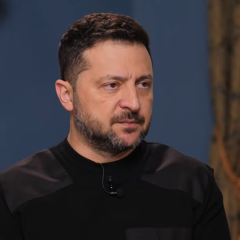
- A plot to assassinate President Volodymyr Zelenskyy
- The existence of Russian kill lists targeting Ukrainian officials
In November 2021, Ukrainian Defense Minister Oleksii Reznikov's request for assistance was denied by the Pentagon, a factor that further complicated the threat assessment within Kyiv.
By January, Ukrainian intelligence officers had begun renting safe houses in Kyiv and withdrawing large sums of cash for contingency operations. Valerii Zaluzhnyi moved into his official quarters, signaling the seriousness of the military's preparations. In February, senior commanders conducted secret command-staff exercises based on worst-case invasion scenarios. During the second week of February, Ukrainian border guards intercepted a communication between a Chechen commander in Belarus and Ramzan Kadyrov, adding another layer of alarm.
Andrii Yermak, Head of the Presidential Office, maintained a backchannel with Dmitry Kozak, a deputy head of Putin's administration, illustrating the complex political maneuvering at play. Notably, even key Russian officials like Kremlin spokesman Dmitry Peskov and Foreign Minister Sergei Lavrov were reportedly kept in the dark about Putin's final plans until the last moment.
During meetings of the National Security and Defense Council, senior officials, while concerned, concluded it was safer to align with the president's position. A Ukrainian intelligence officer stationed in Washington starkly remarked:
“It is definitely going to happen... Where will you evacuate the president? What is Plan B?”
Reflecting on the overwhelming challenge, Valerii Zaluzhnyi compared Ukraine's predicament to fighting Mike Tyson, emphasizing that 'the one in a million must be ready.'
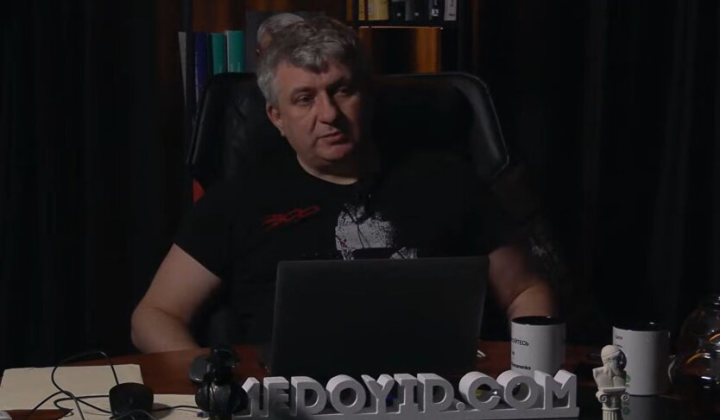
Political expert Yurii Romanenko has detailed these final months before the invasion, drawing on a report by The Guardian. Given the volume of warnings, a central question remains: why was the Ukrainian political leadership unable to fully internalize the threat despite clear alerts from Western partners?
This situation underscores the profound difficulty of threat assessment amid intense political and military pressures. The reluctance to take overt preventative action, despite clear signals of aggression, points to significant internal tensions within Ukraine's leadership. The divergence between military and political institutions likely delayed an effective response, ultimately impacting the nation's readiness for war.

Read also