Zelenskyy Calls 1994 Budapest Memorandum a Major Strategic Error

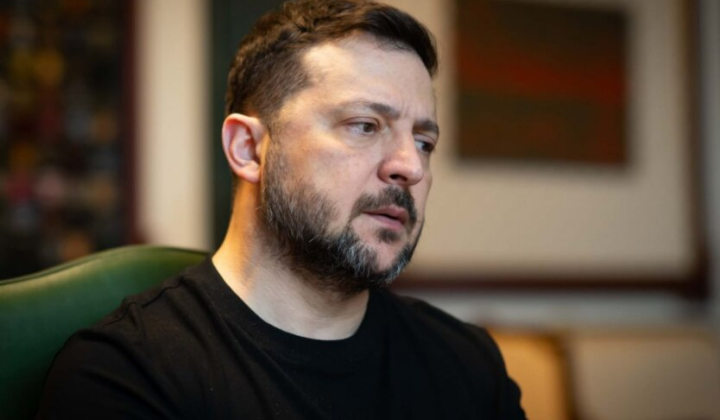
Ukrainian President Volodymyr Zelenskyy's Interview
According to ХВИЛЯ: In an interview with the British podcast The Rest Is Politics, published on April 10, Ukrainian President Volodymyr Zelenskyy labeled the 1994 Budapest Memorandum a mistake and asserted that a full Russian occupation of Ukraine is impossible. He also outlined three tests to gauge the intentions of Russian President Vladimir Putin and named four nations he deems essential for European security. The Budapest Memorandum was a diplomatic agreement in which Ukraine gave up its post-Soviet nuclear arsenal in exchange for security assurances from Russia, the US, and the UK.
Key Statements and Views
Zelenskyy noted that Ukraine transferred a significant portion of its nuclear weapons to Russia, including strategic bombers. He expressed the view that for Russia to fully seize the Donbas, it would have to sacrifice between 300,000 and one million people. The President also emphasized that Russia possesses 17 million square kilometers of territory, yet demands an additional 5,800 square kilometers of the Donbas.
'I believe NATO membership was the minimum Ukraine's leaders should have received in exchange for its nuclear arsenal. What did we get? Nothing. It was an unfair deal and a major mistake.' Volodymyr Zelenskyy
He further stressed that 'security comes first, and the economy second. Not the other way around.'
To verify Putin's true intentions, Zelenskyy proposed three tests:
- The first is to organize a meeting of leaders to discuss territories;
- The second is to station American and European military personnel along the line of contact;
- The third is to consider the logic of territory, given Russia's 17 million sq km versus its demand for an extra 5,800 sq km of Donbas.
Furthermore, the President named four countries he considers necessary for Europe's security: the United Kingdom, Ukraine, Turkey, and Norway. These statements underscore the critical importance of international cooperation in ensuring regional stability and security. Zelenskyy's remarks highlight Ukraine's ongoing struggle for sovereignty and its pivotal role in the European security architecture.
In light of Zelenskyy's strong criticism of the 1994 Budapest Memorandum, understanding the framework of his proposed security measures becomes increasingly relevant. He has recently outlined the three key elements for Ukraine's security guarantees, which aim to address the vulnerabilities exposed by past agreements and bolster the nation's defense strategy against ongoing threats.

Read also