Zelenskyy Calls for Coordinated US-Ukraine Sanctions Strategy Against Lukashenko

Ukraine's President Outlines Stance on Belarus Sanctions
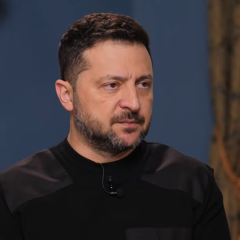
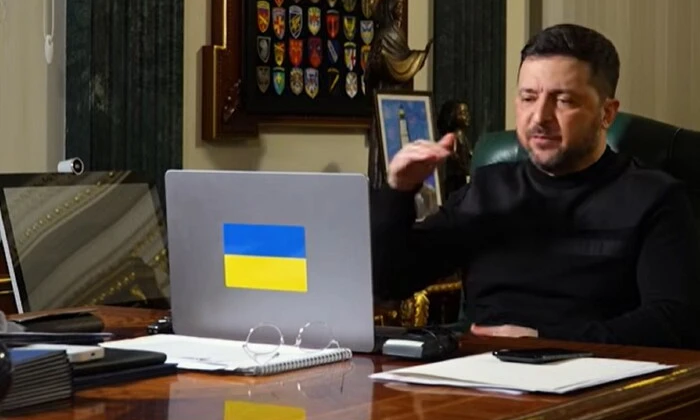
According to Главком: In an interview with independent Belarusian media, Ukrainian President Volodymyr Zelenskyy articulated his position regarding sanctions imposed on the regime of Alexander Lukashenko. He underscored that the effectiveness of these sanctions hinges on coordinated action between Ukraine and the United States. On February 18, Zelenskyy signed a decree enacting a decision by Ukraine's National Security and Defense Council to impose sanctions against Lukashenko.
Zelenskyy cited the planned deployment of a drone control relay system in the second half of 2025 as a key reason for the sanctions. He also addressed the need for continued negotiations with the US, while firmly stating his opposition to lifting sanctions against the Belarusian leader.
'No, I am not against America negotiating with Lukashenko. I categorically do not support the lifting of sanctions against him,' President Volodymyr Zelenskyy emphasized.
The Ukrainian leader further noted that Lukashenko's support for the Russian regime extends beyond geopolitics into military actions resulting in civilian casualties. 'We have evidence; we have everything mapped, everything recorded on video,' he stated. These remarks highlight the critical need for international cooperation in countering threats emanating from Lukashenko's regime, which has been a key staging ground for Russia's war effort.
The Critical Role of International Cooperation
President Zelenskyy's statements reflect the escalating regional tensions, where collaboration between nations opposing authoritarian regimes is becoming increasingly vital. The imposition of new sanctions signals Ukraine's intent to sustain international pressure on Lukashenko, a move that could significantly impact the political landscape in Belarus and relations among neighboring states.
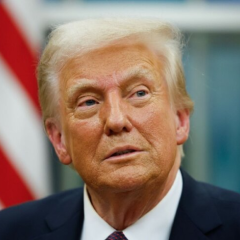
Zelenskyy's emphasis on readiness for dialogue with the United States is also significant, as it could foster a more cohesive transatlantic strategy concerning sanctions and regional security.

Read also