Zelenskyy Holds Emergency Meeting as Drone Strikes Leave 1,100 Kyiv Homes Without Heat

Ukraine's Response to Russian Infrastructure Attacks
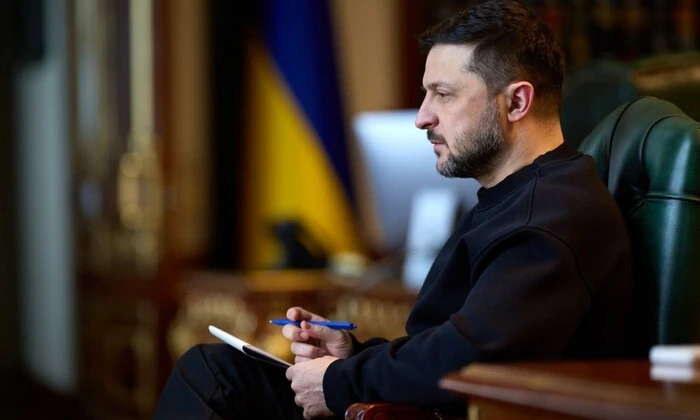
According to Главком: President Volodymyr Zelenskyy convened an urgent meeting to address the fallout from recent Russian strikes, focusing on the defense against drone attacks, the heating situation in Kyiv and Kharkiv, and the 'Warm Packages' aid program. As of February 5, 2026, Ukraine's energy grid is operating under a state of emergency. Overnight, Russian forces launched 183 attack drones, approximately 110 of which were 'Shahed' models. Zelenskyy reported that a significant number of the drones were successfully intercepted, with particular attention paid during the meeting to countering Russian reconnaissance drones.
The situation in Kyiv remains critical, with over 1,100 residential buildings currently lacking heating. These attacks on civilian infrastructure are a recurring tactic in the ongoing conflict. The Energy Minister is currently in Kharkiv to accelerate recovery efforts in that region. Zelenskyy stressed the vital importance of providing necessary assistance to people during this difficult period. He also expressed gratitude to Naftogaz for its work on the 'Warm Packages' program, through which more than 20,000 aid packages have already been distributed. The program's total scope is planned to reach over 100,000 packages.
Coordinating Aid and Public Support
Furthermore, Zelenskyy highlighted the crucial need for cooperation between local authorities, government agencies, and Naftogaz to support this initiative. He also thanked the State Emergency Service of Ukraine (SES) and Ukrhydroenergo for the work of their specialists who are mitigating the consequences of Russian strikes, noting that their efforts are tangible and essential for society.
The situation in Ukraine remains tense as attacks on energy infrastructure continue to severely impact daily life. The President's meeting underscored the importance of coordinated efforts between state structures and local bodies to respond swiftly to the challenges arising from the ongoing war. The 'Warm Packages' program represents a key step in supporting the population during winter and the energy crisis, requiring sustained attention and resources.

Read also