Orban Rejects Military Aid for Ukraine Following Zelenskyy's Davos Remarks

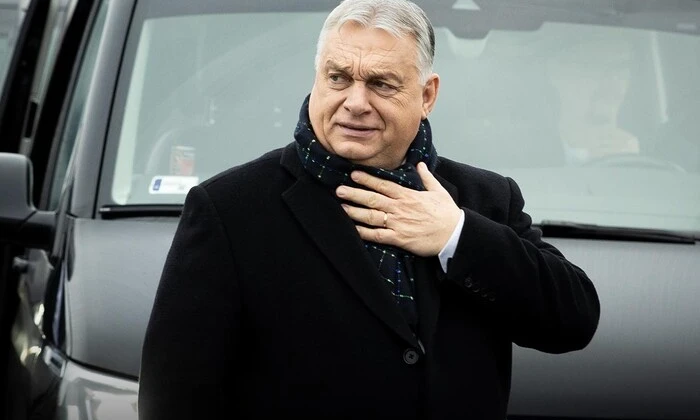
Zelenskyy's Address at the World Economic Forum
According to Главком: On January 22, 2026, Ukrainian President Volodymyr Zelenskyy delivered a speech at the World Economic Forum in Davos, where he made pointed comments about Hungarian Prime Minister Viktor Orbán. Zelenskyy stressed that
“any Viktor who has lived on Europe's money and attempts to sell out European interests deserves a slap on the wrist,”
- Volodymyr Zelenskyy. He further argued that Orbán's comfort in Moscow should not have consequences for European capitals, which must not be allowed to turn into 'little Moscows.' This exchange highlights the ongoing friction within the European Union regarding support for Ukraine.
Viktor Orbán's Response
In response to Zelenskyy's statements, Viktor Orbán declared that he would not support military aid for Ukraine. The Hungarian Prime Minister also commented on the situation in Ukraine, noting that the Ukrainian leadership is in a 'desperate position' because it has failed to end the war in four years, despite support from the U.S. President.
Orbán emphasized that
“I am a free person who serves the Hungarian people,”
- Viktor Orbán. He assured that, despite insults from Ukraine, Hungarians would continue to provide energy and humanitarian support, including supplies of electricity, fuel, and aid to refugees from Ukraine.
“Life will settle everything else, and everyone will get what they deserve,”
- Orbán added.
Consequently, the Davos debate between Zelenskyy and Orbán underscored the complex issues in Ukraine-Hungary relations and the Hungarian government's firm stance against military assistance for Ukraine. This public dispute reflects the deep and long-standing tensions between the two neighboring nations. Zelenskyy's remarks and Orbán's reaction could significantly impact future bilateral cooperation, particularly in energy and humanitarian aid, while also raising questions about unified European interests in the context of the war in Ukraine and relations with Russia.

Read also