Russia Losing Grip on Moldova and Armenia, Zelenskyy Says

Shifts in Russian Influence Across the Caucasus and Eastern Europe
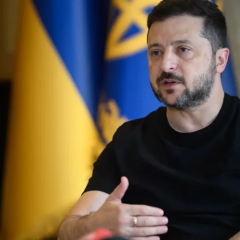
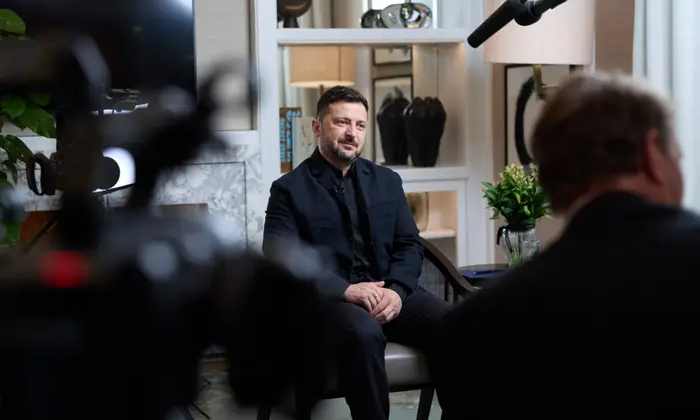
According to Главком: In an interview with The Guardian, Ukrainian President Volodymyr Zelenskyy highlighted a decline in Moscow's political sway over several nations, including Azerbaijan, Armenia, and Moldova. He emphasized Azerbaijan's independent status and noted that Armenia's recent parliamentary election-won by Prime Minister Nikol Pashinyan's Civil Contract party-marked a significant advance for Yerevan's sovereignty.
Those elections in Armenia are being hailed as historic, especially given the country's shifting geopolitical stance following the loss of Nagorno-Karabakh and worsening ties with Russia. Pashinyan's party retained control of the legislature, which Zelenskyy framed as a clear indicator of progress toward securing Armenia's independence.
'I congratulate Armenia on holding democratic, free elections, and Nikol Pashinyan on his victory. This is a win for Armenia's sovereignty, your independence, and your right to live as you see fit. We wish you success.' Volodymyr Zelenskyy
Zelenskyy also remarked that Russian influence over Moldova appears to have waned. He expressed confidence that an independent and free Ukraine represents the biggest and most politically dangerous challenge for Russia. He suggested that 'various peoples across Russia will start asking questions,' hinting at potential shifts in the regional power balance.
The Evolving Political Landscape of the Caucasus and Eastern Europe
President Zelenskyy's comments reflect broader changes across the Caucasus and Eastern Europe, where countries once under Moscow's orbit are increasingly charting their own paths. Armenia's election results could serve as a model for other nations in the region, underscoring the importance of independence and sovereignty amid geopolitical pressures.
At the same time, the erosion of Russian influence may signal adjustments within the Kremlin's own domestic political strategy and its approach to the region.
In light of these developments, Zelenskyy's congratulations to Pashinyan on his electoral success further emphasizes the shifting dynamics in the region. This victory not only reinforces Armenia's commitment to sovereignty but also highlights the potential for increased support from the European Union. For more insights on the implications of these changes and the importance of EU backing for Armenia, read more about Zelensky's call for EU support.

Read also