Facebook Posts Promoting USSR and Justifying Nazism Lead to Charges for Woman in Western Ukraine

Crackdown on Totalitarian Propaganda in Ukraine
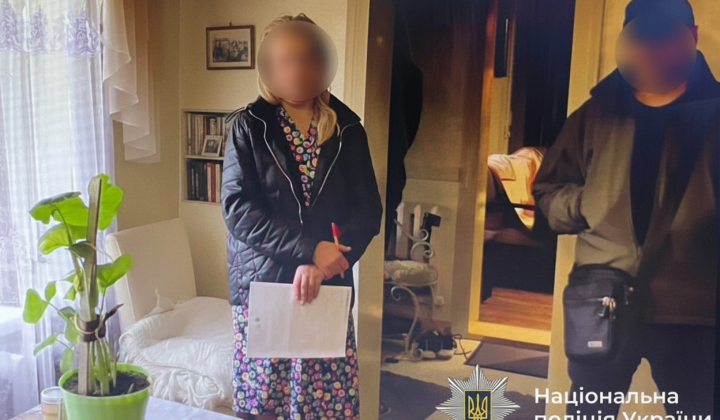
According to Главком: A 47-year-old resident of the Kosiv district in the Ivano-Frankivsk region has been charged with spreading Soviet totalitarian propaganda and glorifying Joseph Stalin on Facebook. The case unfolded in the village of Rozhniv, where the woman allegedly posted prohibited materials on her public social media page in 2025. Investigators found that she shared banned symbols, denied crimes committed by the Soviet regime, justified Nazism, and maintained ties with the DNR, LNR, and the unrecognized breakaway region of Transnistria.
Investigation Findings and Legal Consequences
During the probe, law enforcement discovered images of the Soviet state flag and coat of arms, the hammer and sickle symbol, the five-pointed star, and portraits of Joseph Stalin and other communist figures. The suspect also published blueprints for restoring the USSR and Ukraine, which called for a return to Stalin’s 1936 constitution and the revival of people’s courts and tribunals. An art historical examination confirmed the spread of banned symbols via mass media.
The woman faces charges under Article 436-1, Part 2 of the Ukrainian Criminal Code, which carries a penalty of five to ten years in prison. The court has placed her under round-the-clock house arrest as a preventive measure. Notably, in 2022, a similar case involving a 43-year-old Russian-born woman in Ivano-Frankivsk was sent to court under the same article.
- 165 residents of Rozhniv were deported to Siberia.
- 88 villagers were convicted for supporting the Ukrainian Insurgent Army (UPA).
This case underscores the critical importance of countering totalitarian propaganda in Ukraine, especially given ongoing challenges related to historical memory and national identity. It also highlights how social media can become a platform for spreading dangerous ideas that threaten public order. Ukraine has legal mechanisms in place to address such offenses, reflecting the state’s firm stance on issues linked to the Soviet past and its enduring consequences.
This incident is part of a broader trend in Ukraine, where individuals are increasingly facing legal repercussions for actions perceived as supporting hostile narratives. For instance, a recent case involving a construction worker accused of assisting the Russian military illustrates the serious implications of such activities. To understand more about the ongoing challenges Ukraine faces in safeguarding its sovereignty, read about the charges against a construction worker for treason.

Read also