Singapore Man Faces Trial Over AI-Created Fake Crocodile Image at Pandan Reservoir

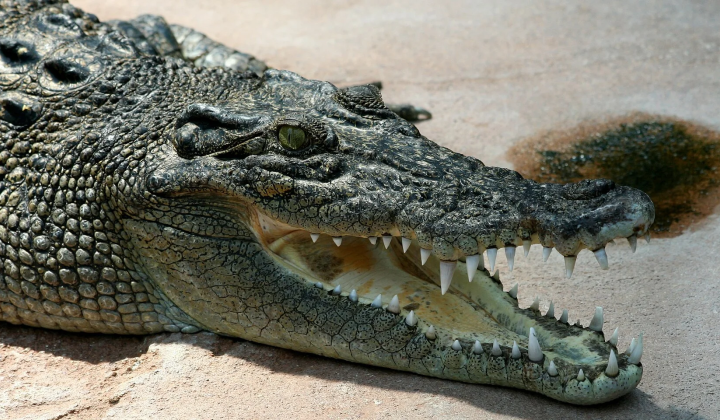
The Imaginary Crocodile Incident
According to НВ — Техно: A Singapore resident is now facing legal action after producing an artificial intelligence-generated image of a crocodile at Pandan Reservoir.
Publication Date: October 1, 10:28 AM
Authorities in Singapore charged a man who fabricated a false image of a crested crocodile allegedly spotted in the Pandan Reservoir using AI technology. On August 20, the Public Utilities Board (PUB) received a report about a crocodile presence in the reservoir, prompting an immediate search and capture efforts involving national park officials.
For safety reasons, the Singapore Academic Rowing Association and the Canoe Federation were instructed to suspend all training activities at Pandan Reservoir. The reservoir’s operations were halted for two days. The following day, PUB confirmed the photo was a forgery and handed the case over to the police for further investigation.
Legal Repercussions
The accused, Ye Lin, originally from Myanmar, attempted to erase evidence by deleting both the image and the application used to create it. Through a translator, he informed the court of his intention to plead guilty. The next hearing is scheduled for November.
In Singapore, spreading false information carries severe penalties, including:
- up to three years in prison,
- fines reaching 10,000 Singapore dollars,
- or both penalties combined.
Obstructing justice can result in imprisonment up to seven years and additional fines.
Police noted that "the individual later deleted the image and related application in an attempt to conceal his actions."
This incident has sparked discussions about the responsibility tied to disseminating fake news and its impact on public trust and safety.
As AI-generated content becomes more accessible, this case highlights the critical need for awareness regarding the consequences of sharing false information. It also brings to light the legal challenges in regulating digital misinformation that can threaten societal security and integrity.

Read also