Middle East Conflict Drives Oil Price Surge, Bolstering Russia's War Chest

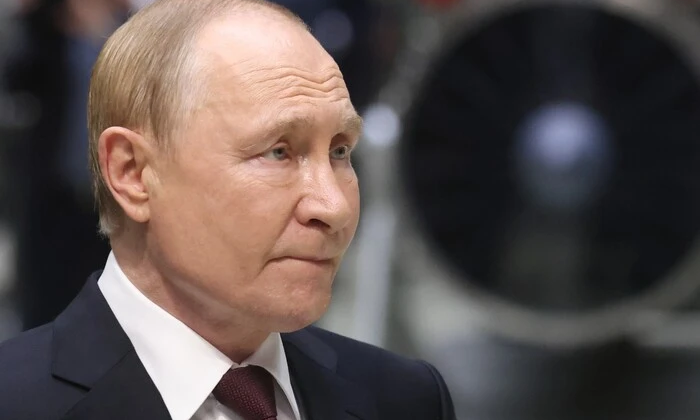
How Surging Oil Prices Could Revitalize Russia's Economy
According to Главком: Escalating conflict in the Middle East is pushing global oil prices higher, a development that could significantly improve Russia's economic outlook and enhance its capacity to fund its war against Ukraine. Following Israeli strikes on Iranian oil infrastructure, prices recently surpassed $100 per barrel, reaching their highest level since the summer of 2022. This surge arrives at a critical time, as Russia's energy revenues had fallen to their lowest point since 2020 in early 2024, making the price increase a potential economic lifeline. The global energy market remains highly sensitive to geopolitical instability in key producing regions.
Budgetary Windfall and Financing Prospects
Russia's 2024 budget was drafted based on an assumed price of approximately $59 per barrel for its Urals crude oil blend. However, the recent disruption to shipping through the Strait of Hormuz has triggered another price spike, which could substantially boost financial inflows into the Russian state budget. In a related development, the U.S. Treasury Department has temporarily allowed India to continue purchasing Russian oil, potentially strengthening Moscow's position in the energy market. India and China remain the primary buyers of Russian crude.
Russia's economic situation at the start of the year remains constrained by several factors, including:
- Western sanctions
- High interest rates
- A labor shortage
Analyst Vladimir Milov noted that the current oil price situation could be a 'gift for Moscow' and a 'lifeline for the Russian budget.' However, for a genuine turnaround in the country's economic fortunes, these elevated oil prices would need to be sustained for roughly a year.
Faced with rising oil revenues, the Russian government is nevertheless considering unpopular measures such as spending cuts, tax increases, and a potential reduction in military expenditures. These steps may be deemed necessary to stabilize the national economy amid ongoing volatility in global markets.
The oil price increase could become a crucial component of Russia's financial strategy, especially given the economic difficulties stemming from sanctions and domestic issues. If prices remain high, it could help Moscow mitigate the worst effects of an economic crisis and secure funding for continued military operations. Nonetheless, Russia's economy remains vulnerable due to its dependence on fluctuating global markets and the political decisions of other nations.

Read also