Commander Syrskyi Reports Drop in Amputations Among Ukrainian Forces in April

Progress in Battlefield Medical Care
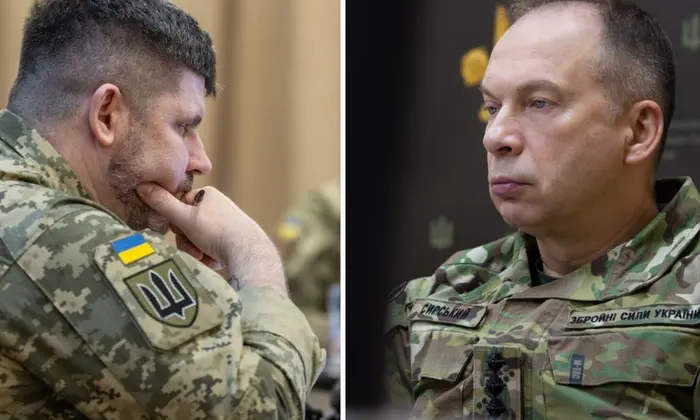
According to Главком: In April 2023, Ukraine’s Armed Forces recorded a notable decline in severe combat injuries and limb amputations among troops. Commander-in-Chief Oleksandr Syrskyi attributes this positive shift to enhanced pre-hospital care, better-trained medical personnel, and the timely replacement of tourniquets. The month showed a consistent trend toward improved survival rates and limb preservation, signaling a gradual upgrade in emergency medical response at forward positions.
Compared to March, the availability of medical specialists rose by 7% over the course of April. Additionally, 328 service members completed training in various medical specialties, boosting overall unit readiness. Still, the demand for medics remains critically high.
How Drones Are Changing Injury Patterns
Since the start of the year, the military has received more than 50 pieces of medical equipment, further raising the standard of care. Drones deployed on the battlefield are also reshaping the nature of injuries. Ukraine is scaling up serial production of Octopus interceptor drones, a development that could alter combat dynamics and exposure risks.
Oleksandr Syrskyi noted: 'This reflects the steady improvement in pre-hospital care quality, higher training levels among personnel, and greater awareness among troops about timely tourniquet conversion.'
Advances in frontline medical assistance could have a significant impact on the overall conflict. Fewer severe wounds and amputations demonstrate the effectiveness of measures taken to strengthen medical support and underscore the importance of training healthcare providers. Since the need for medical professionals remains pressing, continued efforts in this area could greatly increase wounded soldiers’ chances of survival and reduce the long-term consequences of battlefield injuries.
The improvements in battlefield medical care are complemented by ongoing government initiatives aimed at enhancing support for medics. Recent changes in streamlined weapon deliveries and increased access to pain relief are crucial in ensuring that medical personnel are equipped to provide timely assistance. These efforts not only bolster the capabilities of the military but also contribute to better outcomes for injured soldiers on the front lines.

Read also