Revealed: The Ideal School Lunchbox Balance for Growing Kids

A Parent’s Guide to a School Lunchbox That’s Both Healthy and Tasty
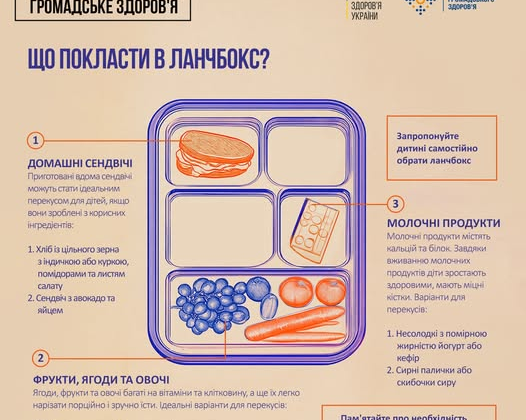
According to Міністерство Здоров'я: What a child eats between classes affects their attention, energy, and mood for the rest of the day. For parents trying to keep school lunches both practical and nutritious, a simple proportions guide can help. The recommended lunchbox breakdown is straightforward: roughly half of the snack should be vegetables, fruits, and berries. These foods are tasty while also supplying vitamins and minerals that support a child’s overall health.
Another quarter should come from protein-rich foods, from both animal and plant sources. This can be different meats, fish, legumes, or nuts. The final quarter should be made up of whole grains, like whole-grain bread or cooked porridge. For a child, the cooked grain portion should be no larger than their fist, which is an easy way to manage portion sizes.
Alongside the main components, adding healthy plant fats is a good move - nuts and seeds are excellent choices. It’s also important to think about fluids: include a bottle of plain water, unsweetened tea, or compote without added sugar. That helps keep the child hydrated and maintains steady energy levels throughout the school day.
What To Leave Out of the Lunchbox
Some foods are better off left at home because they spoil quickly. These include:
- eggs
- fish
- fatty meat
- soft cheese
- pastries with cream
It is also wise to skip sauces like mayonnaise and ketchup, which are high in calories and extra ingredients. Foods with a lot of salt are another thing to avoid, such as:
- sausages
- hot dogs
- pâtés
- processed cheese
- canned food
Store-bought sweets - cakes, candies, and snack bars - are also not recommended. Better substitutions include:
- fresh fruit
- berries
- a small serving of dried fruit
- homemade cookies made with minimal sugar
- a few pieces of dark chocolate
Choosing lunchbox items carefully can make a real difference in how healthy and how cheerful a child feels during school hours, so it is worth following this balanced approach.
Healthy snacks at school support both physical and mental development, and parents are central to building good eating habits early. Schools can help strengthen this effort by offering practical guidance and resources on child nutrition, making it easier for families to stay on track.

Read also