Personal Files Registry: Samples for Employees and Civil Servants


The personal files registry is an important element of personnel record-keeping that ensures the systematization and control of the movement of employees' documents within the organization. In 2026, keeping this registry remains relevant for both the private sector and government institutions, as proper documentation directly impacts the legal safety of the employer.
This registry allows for recording the creation, transfer, storage, and archiving of personal files, which is especially important in the context of digitalization and the transition to electronic document flow. At the same time, Ukrainian legislation does not always explicitly establish a unified form for this document, allowing enterprises to adapt it to their own needs while preserving mandatory attributes and the logic of accounting.
What is the personal files registry and its purpose
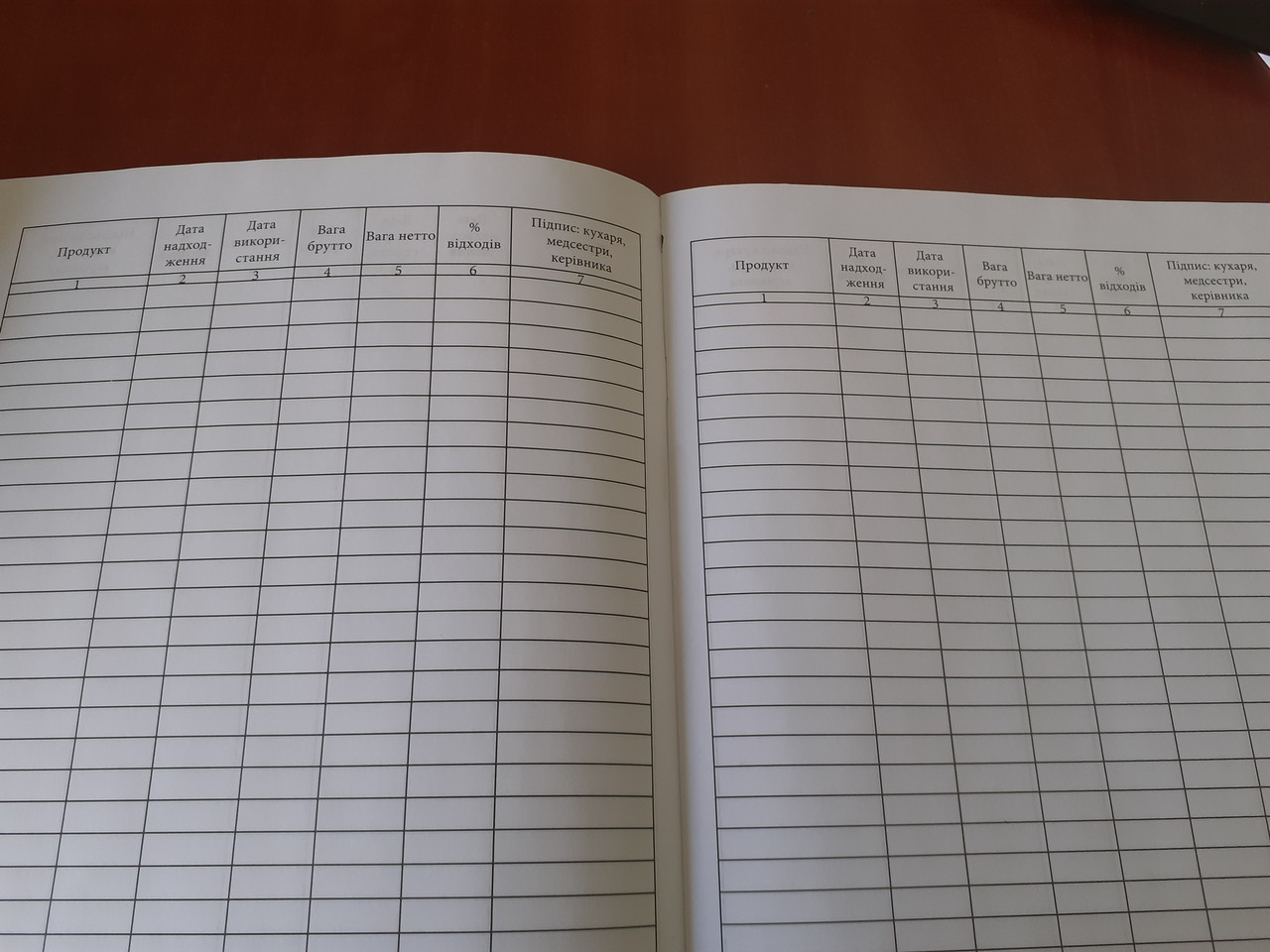
The personal files registry is an internal registration document used for accounting, systematization, and control of the movement of employees' personal files. Its main purpose is to ensure an orderly maintenance of personnel documents and the ability to quickly find the necessary information about a specific employee.
In practical application, the personal files registry (a sample of the personal files registry is needed) performs several functions. Firstly, it is an accounting tool that allows recording all created personal files. Secondly, it serves as a means of controlling their storage and transfer between responsible persons. Thirdly, the registry helps avoid the loss of documents, as every action with a personal file is recorded.
In 2026, the integration of paper and electronic forms of accounting plays a special role. Even if a company uses electronic systems, the registry can be maintained as a duplicating or backup tool that meets internal control requirements.
Types of personal files registries
Depending on the specificity of the organization's activities and the category of employees, personal files registries can have different forms and structures. The main criterion for division is the field of application and the status of employees.
The first type consists of registries for enterprises and private sector organizations (for example, the personal files registry for civil servants). They generally have a more flexible form as they are not regulated by strict legal acts. The second type consists of registries for state authorities and institutions, where personnel documentation management is subject to special requirements.
Additionally, registries can differ in the way they are maintained: paper, electronic, or combined. In modern conditions, electronic systems are increasingly used; however, paper registries remain relevant as official documents that can be verified by regulatory authorities.

It is also worth noting that some organizations maintain additional registries for specific categories of personnel, such as managers or persons responsible for material assets. This allows for more detailed control over document flow and ensures a higher level of responsibility.
Personal files registry of an enterprise's employees
In private companies, the personal files registry is maintained considering the internal rules of document flow. Usually, it contains information about each employee, the date of the personal file's opening, its number, and storage location.
The structure of such a registry may include columns for indicating the employee's last name, first name, patronymic, position, date of employment, and other key data. Additionally, information about the movement of the file, its transfer between subdivisions, or archiving may be recorded.
In 2026, enterprises are increasingly implementing electronic personnel systems; however, the paper registry remains an important control element. It is used as confirmation of record-keeping and can be verified during audits or inspections.
It is important that the registry is numbered, bound, and certified by the signature of the responsible person. This ensures its legal force and excludes the possibility of unauthorized changes.
Registry for civil servants’ personal files
In government bodies, maintaining the personal files registry has a more regulated character. This is related to the special status of civil servants and increased requirements for personnel accounting.
Such a registry includes more detailed information, including data about the rank of the civil servant, the category of the position, the results of certification, and other service information. In addition, changes in service activities, transfers, promotions, or disciplinary actions may be recorded.

There are also elevated requirements for information storage. The registry must be maintained following confidentiality and personal data protection rules. In 2026, this issue gains special significance in connection with digitalization and the use of electronic registries.
A combined approach is often used in the public sector, where the registry is maintained in both paper and electronic form. This ensures the reliability of information storage and compliance with regulatory requirements.
Mandatory details of the personal files registry
Regardless of the maintenance form, the personal files registry must include a specific list of mandatory details. These include the document's title, the date of opening, the name of the organization, and the responsible person's name.
The main part of the registry consists of a table that captures information about personal files. Usually, this includes the sequential number of the record, the personal file number, the employee's last name and first name, date of the file's opening, and details about its movement.
Additional columns may be included for notes, where special circumstances are indicated, such as transferring the file to the archive or its temporary withdrawal. All records should be made promptly and without corrections that are not properly substantiated.
The registry's formatting should also comply with office management requirements: pages must be numbered, the document must be bound and certified by the signature of the head or responsible person. This ensures its integrity and legal significance in case of inspections or contentious situations.
Order of maintenance and storage of the registry

The maintenance of the personal files registry is carried out by a responsible person from the personnel service or another authorized employee designated with personnel record management duties. It is crucial that such a person has a clear understanding of the rules for making entries, deadlines for entering information, and requirements for document storage. All entries in the registry must be made sequentially, without omissions, in chronological order, allowing for tracking the movement of each personal file.
Before usage, the registry must be properly formatted: pages should be numbered, bound, signed by the head or responsible person, and, if necessary, sealed. This prevents the possibility of substituting or removing individual pages. If the registry is maintained electronically, information protection measures should be applied, including access restrictions and data backup.
Entries in the registry must be clear, without changes or with changes that are formatted according to office management requirements. If changes are necessary, the incorrect entry should be crossed out with a single line, with the correct information noted alongside, including the date of correction and the signature of the responsible person. This ensures transparency in document management.
The registry is stored in the personnel service or another designated department. The document must be kept in a location with restricted access, as it contains personal data of employees. In 2026, particular attention is paid to the protection of such data, so employers are implementing additional security measures, including access control and maintaining logs of visits to archival premises.
After the registry is no longer used, it is transferred to the company's archive. The duration of its storage is determined by internal rules or current regulations, but it is usually long-term, as it may be used to confirm personnel processes in the future. In the case of the company's liquidation, the registry is subject to transfer to the relevant archival institutions.
Thus, proper organization of maintenance and storage of the registry ensures not only the orderliness of personnel documentation but also the legal protection of the employer in case of inspections or labor disputes.
Sample of the personal files registry
The sample of the personal files registry may differ depending on the specificity of the enterprise or institution, but its structure is usually standard and includes basic informational blocks. Most often, the registry is formatted as a table, where each row corresponds to a separate employee's personal file.
The first column indicates the sequential record number, allowing accounting for the number of files and controlling their availability. Then, the personal file number is indicated, which is assigned upon its opening. This is a unique identifier used in internal document flow.

The next columns contain information about the employee: last name, first name, patronymic, position, structural division, and the date of employment. In some cases, a column for indicating the date of dismissal is added, allowing for tracking the entire cycle of employment relationships.
A separate block is dedicated to the movement of the personal file. Here, the dates of document transfer between subdivisions, responsible persons, and notes about transfer to the archive are recorded. This is especially important for controlling the preservation of documents and preventing their loss.
At the end of the registry, a space for notes is provided. Additional details may be noted here, such as storage conditions of the file, the availability of copies, or temporary withdrawal of documents. This information helps in more detailed control over the state of personnel documentation.
The practical structure of the registry may look like a list of columns: sequential number, personal file number, employee's full name, position, date of file opening, date of closure or transfer to the archive, responsible person, and notes. If necessary, the enterprise can expand this list by adding additional details that meet its internal needs.
It is essential that the chosen sample of the registry is approved by an internal administrative document and used consistently. This ensures the unity of personnel accounting and simplifies document handling both in current activities and during inspections.

Read also