Linking Freud’s Theories with Neuroscience: The Brain as a Predictive Engine

The Intersection of Freudian Concepts and Neuroscience
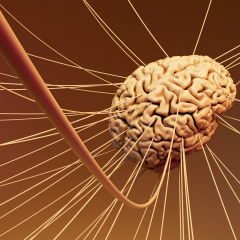
According to НВ — Техно: In 2023, the journal Entropy published a groundbreaking study connecting Sigmund Freud’s psychoanalytic ideas with the modern neuroscience framework of brain prediction. Researchers including Erik Stenike, Bendik Hovet, Line Indrevoll Stenike, and their team portray the brain as an active predictor, continuously working to reduce the gap between its expectations and incoming sensory input.
The study challenges the notion of the brain as a passive receiver, instead emphasizing its role in constantly comparing predictions to sensory data. Freud’s psychoanalysis, formulated over 130 years ago, focuses on subjective experience, the unconscious, and how past experiences shape behavior. Notably, the psychoanalytic concept of projection finds a parallel in the brain’s predictive processing mechanisms.
How Prediction Shapes Mental Health
The research highlights that rigid predictive models, stored in procedural memory, may contribute to symptoms such as paranoia and harsh self-criticism. Effective psychotherapy, therefore, involves creating new experiences between therapist and patient to rewire these automatic responses formed by inflexible predictions.
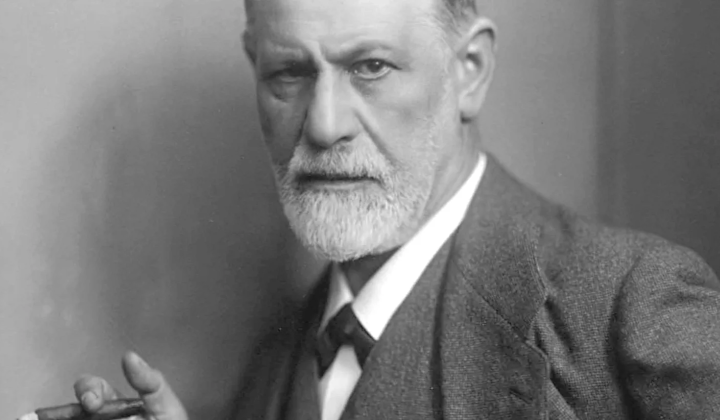
The article also includes important legal disclaimers about medical advice, underscoring caution when applying these findings in clinical settings. Accompanying the study is a historic 1922 photograph of Sigmund Freud taken by Max Halberstadt, adding visual context to the origins of these ideas.
This work stresses the value of merging classical psychoanalytic theories with contemporary neuroscience to deepen our understanding of mental health and therapeutic processes. Uncovering the relationship between brain prediction and psychoanalytic principles opens promising pathways for developing therapies that integrate both neurological and psychological dimensions of human behavior.
Understanding how the brain processes language and makes predictions, even under general anesthesia, sheds light on its remarkable capabilities. This intriguing aspect of cognitive function parallels the findings from recent studies that connect predictive processing with psychoanalytic theories. For a deeper exploration of these cognitive mechanisms, you can read about how the brain recognizes words and anticipates responses in altered states of consciousness.

Read also