Study Reveals Brain's Word Recognition and Prediction Abilities Persist Under General Anesthesia

Exploring the Link Between Consciousness and Thought
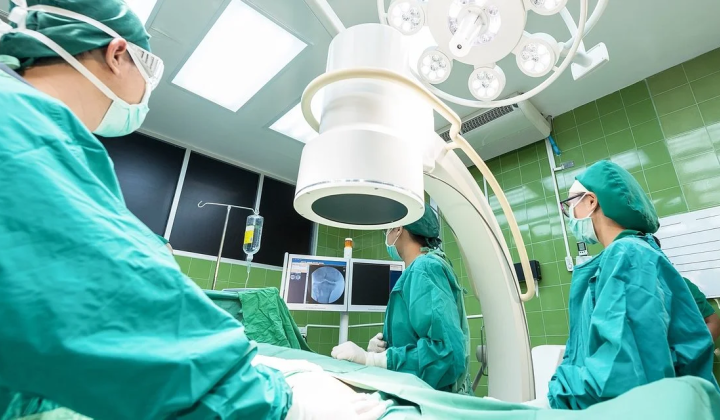
According to НВ — Техно: Researchers at Baylor College of Medicine have discovered that even when under general anesthesia, the human brain can differentiate between word categories and anticipate upcoming words in sentences. This finding suggests that complex brain functions remain active despite the absence of consciousness. The study was conducted on epilepsy surgery patients, utilizing Neuropixels probes to record the electrical activity of hippocampal neurons.
During the experiments, the anesthetized brain demonstrated the ability to distinguish parts of speech such as nouns, verbs, and adjectives. Patients listened to brief stories while hippocampal neurons responded selectively based on word categories. The brain’s capacity to predict subsequent words was linked to predictive coding mechanisms. It is important to emphasize that these results do not imply conscious awareness or comprehension of the stories by the patients.
Neuroplasticity and Future Research Directions
The study also revealed that neuroplasticity persists under anesthesia. When patients were exposed to repeated sounds with altered tones, hippocampal neurons adapted and improved their discrimination over time. The use of Neuropixels probes enabled simultaneous monitoring of large groups of neurons within the hippocampus.
Published in the journal Nature and reported by ScienceDaily, this research faces limitations, including the investigation of only one type of general anesthesia and focusing solely on the hippocampus. Nevertheless, these insights could inform the development of neurocomputer interfaces and speech prosthetics for individuals who have lost their ability to speak.
This work opens new avenues for understanding brain function in states traditionally considered unconscious. The preservation of neuroplasticity and word recognition during anesthesia offers promising implications for neuroscience and the treatment of language disorders. Continued research may clarify how these neural processes can be harnessed to enhance quality of life for patients affected by speech impairments.
Understanding how the brain processes information under different conditions can shed light on its remarkable adaptability. For instance, a recent study explores how the brain manages conflicting visual inputs while retaining essential information. This research highlights the brain's intricate mechanisms and complements the findings on word recognition during anesthesia. To delve deeper into this fascinating topic, check out how the brain reconciles visual signals in our detailed report here.

Read also