A Guide to Drafting a Legally Sound Termination Letter in the United States

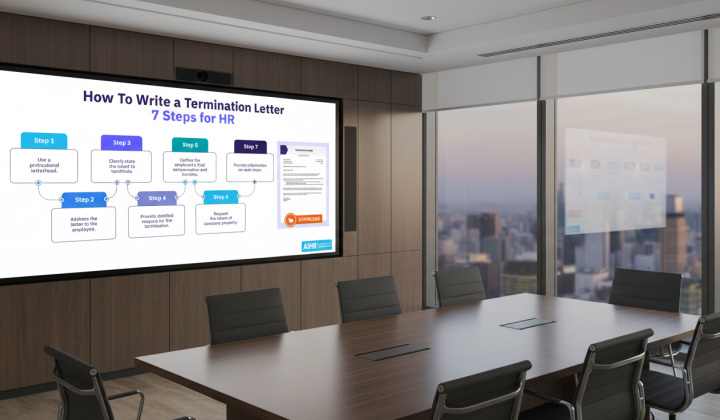
How to Write an Employee Termination Letter
According to AIHR: This guide provides a comprehensive framework for drafting an official employee termination letter. It covers U.S. legal requirements, essential letter components, templates for various scenarios, a step-by-step writing plan, a final checklist, and common mistakes to avoid. According to the U.S. Bureau of Labor Statistics, approximately 1.8 million layoffs and discharges occur monthly, underscoring the critical need for proper procedural documentation. Navigating this process correctly is vital for legal compliance and maintaining professional standards.
While U.S. federal law does not mandate a termination letter in every instance, the federal WARN Act requires written notice for mass layoffs or plant closures. In New York State, for example, employers must provide a written termination notice within five working days. Understanding these varying requirements is essential for any business operating in the U.S. to avoid legal pitfalls.
Essential Components of a Termination Letter
A well-structured termination letter should clearly include the following key elements:
- Employee and position details,
- Effective termination date,
- Clear reason for termination,
- Relevant context,
- Final paycheck information,
- Details on severance and benefits,
- Instructions for returning company property,
- Next steps and obligations.
Termination letters can vary significantly based on the situation, such as for cause, performance issues, contract expiration, layoffs, at-will employment, or during a probationary period.
Before sending the letter, a thorough review using this checklist is crucial:
- Confirm employee name, position, and date;
- Verify the stated reason;
- Review supporting documentation;
- Double-check payment details;
- Confirm benefit status;
- Verify property return instructions;
- Coordinate with the termination meeting;
- Include HR contact information;
- Ensure compliance with company policies and laws;
- Obtain necessary approvals.
Common errors in drafting these letters include:
- Inconsistent formatting,
- Omitting employee details,
- Vague or unclear reasons for termination,
- Inaccurate payment information,
- Failing to outline next steps,
- Using emotional or unprofessional language.
Properly drafting a termination letter is a fundamental aspect of human resource management. It helps prevent legal disputes and ensures transparency in the employer-employee relationship, even at the point of separation.
The importance of understanding proper termination procedures cannot be overstated, as it not only mitigates potential conflict but also ensures legal adherence. A clear grasp of termination letter requirements can significantly ease this difficult process for both employers and employees. This approach ultimately fosters a more professional and respectful workplace environment, even when parting ways is necessary.
In addition to understanding the legal aspects of drafting a termination letter, it's also crucial to be aware of specific procedures related to employee absenteeism. For instance, if you're considering termination due to frequent absences, familiarizing yourself with the relevant orders and guidelines during exceptional circumstances, such as martial law, can provide essential insights. Explore more about the process and sample orders for absenteeism to ensure compliance and proper handling of such sensitive situations.

Read also