Tourists and Climate Change Claim the 1,200-Year-Old Robin Hood Oak

The Loss of the Major Oak
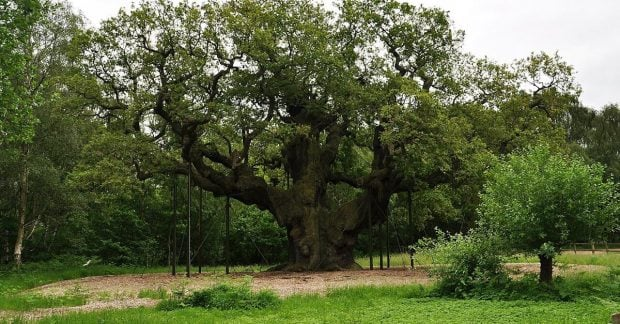
According to УНІАН — Туризм: The Major Oak, a legendary symbol of Sherwood Forest and a tree closely tied to the tales of Robin Hood, has died in the United Kingdom. Its demise stems from soil compaction, climate change, and a depleted root system. This year, the tree failed to produce new leaves, alarming conservationists.
Estimated to be around 1,200 years old, the Major Oak gained fame after being featured in an 1790 book on oaks by Major Hayman Rooke. For two centuries, tourists flocked to Nottinghamshire to admire this majestic tree. However, the massive influx of visitors compacted the surrounding soil, harming its roots. Metal cables and supports used to hold up its branches may have also contributed to its death.
Ecological and Cultural Significance
The Royal Society for the Protection of Birds (RSPB) in the UK announced the oak's death on Thursday. Representatives expressed sorrow, calling it 'heartbreaking news for everyone.'
Holly Drake, an RSPB spokesperson, noted that 'the Major Oak will continue to stand in the very heart of Sherwood as a natural monument that visitors can see for themselves.'
Climate change, particularly heatwaves and droughts, also played a role. Ed Pines, a representative from the Woodland Trust, reminded that 'ancient trees like the Major Oak are the white rhinos of UK conservation,' yet their decline often goes unnoticed.
Oak timber from Sherwood Forest was used for:
- building ships for the Royal Navy during Horatio Nelson's era in the late 18th and early 19th centuries;
- constructing the roof of St. Paul's Cathedral in London.
Since the 1970s, the oak was protected, with a fence erected around it to shield it from negative visitor impact.
The death of the Major Oak serves as a reminder of the importance of protecting ancient trees and natural landmarks that hold value not only for ecosystems but also for a nation's cultural heritage.
This event underscores growing concerns over the state of natural resources and ancient trees in the UK, which are vital from both ecological and cultural perspectives. The loss of the Major Oak symbolizes a broader challenge facing nature amid climate change and human impact. It also calls for more active conservation of natural monuments and support for ecosystems threatened by human activity.

Read also