125-Million-Year-Old Clam Preserves Embryos and Soft Tissue in Rare Fossil Find

Ancient Mollusk Discovery Unveiled
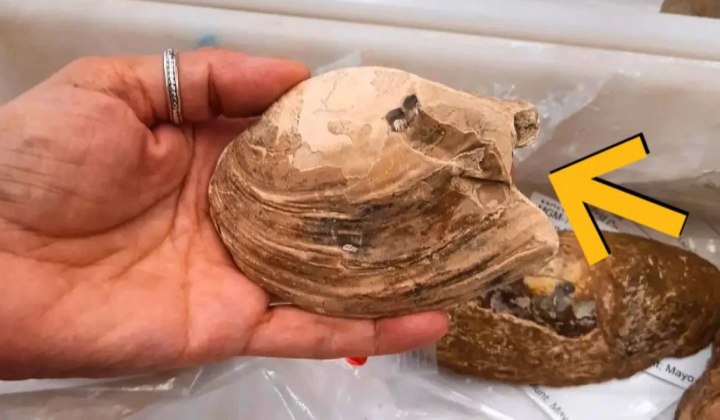
According to НВ — Техно: An international team of researchers has described a 125-million-year-old fossilized freshwater bivalve, unearthed on the Isle of Wight in the United Kingdom. The specimen is remarkably significant because it contains preserved soft tissues and embryos inside the shell, representing the oldest known evidence of brooding and offspring protection in bivalve mollusks. The identification of these structures has also shed new light on a material known as 'molluskite,' which had been recognized for nearly 200 years but was previously misunderstood.
This fossil belongs to the species Margaritifera valdensis, a distant relative of modern freshwater pearl mussels. Analysis reveals that these ancient mollusks possessed complex reproductive structures, indicating advanced adaptations for nurturing their young. The discovery dates to the Cretaceous period, highlighting its importance for paleontology and evolutionary biology.
Why This Find Matters
Furthermore, the substance called 'molluskite' has now been identified as fossilized soft tissue, not merely mineralized remains as once thought. This breakthrough is a major step in understanding ancient organisms and their development. The research findings were published on July 6, 2026, at 11:30 AM, as reported by Science Alert.
The complete Cretaceous-era mollusk fossil that was analyzed opens up new avenues for studying evolutionary processes in both marine and freshwater ecosystems.
This discovery underscores the importance of examining ancient species to grasp the evolutionary changes that have shaped nature over millions of years. It also holds potential relevance for modern ecological and biodiversity conservation research, as insights into the adaptations of prehistoric organisms may offer valuable data for preserving contemporary species facing similar challenges under climate change. The reproductive structures uncovered could be key to understanding survival and reproduction mechanisms in complex ecosystems.
This remarkable discovery is not the only significant fossil finding shedding light on ancient life forms. For instance, a recent study of a 113-million-year-old pterosaur fossil has provided insights into the dietary habits of these flying reptiles, further enriching our understanding of prehistoric ecosystems. Such findings highlight the interconnectedness of evolutionary research across different species and time periods.

Read also