113-Million-Year-Old Pterosaur Fossil Reveals What the Flying Reptile Ate

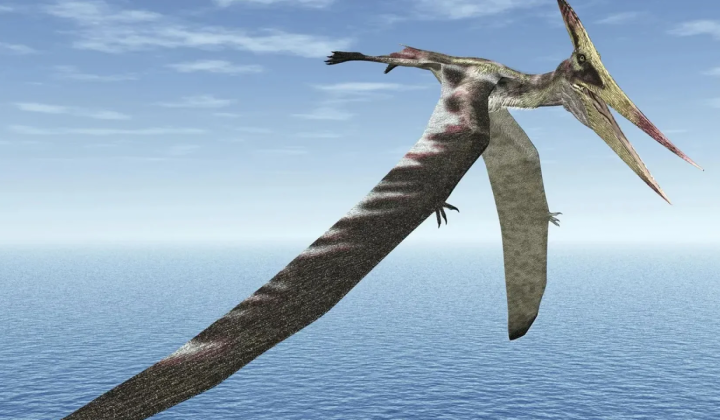
Breakthrough Analysis of a Rare Pterosaur Specimen
According to НВ — Техно: An extraordinary pterosaur fossil, unearthed from Brazil's Lower Cretaceous Romualdo Formation, has provided scientists with unprecedented insight into the diet of these ancient flying reptiles. Dated to 113 million years ago, the specimen was described in a study published in the journal iScience. Its significance lies in the exceptional preservation of soft tissues, allowing researchers to examine organic biomarkers at the molecular level and determine what these creatures consumed.
Why This Discovery Matters
The fossilized fragment of a left wing, discovered in Brazil, shows that the wing bones were hollow-a feature similar to modern birds. Researchers found that sulfur-oxidizing bacteria played a key role in preserving the specimen. This process helped retain organic biomarkers from the pterosaur, offering a clearer picture of how such delicate materials can survive over millions of years.
Based on the analysis, the pterosaur's diet consisted of:
- fish
- cephalopods, including squid
“This fossil is a true time capsule. For the first time in the history of molecular paleontology, it has preserved organic biomarkers from a flying reptile.” – Professor Kliti Grice
Published on July 4, 2026, the study opens new avenues for understanding pterosaur evolution and lifestyle. It also highlights the crucial role microbial processes play in fossil preservation. This finding has captured the attention of paleontologists and researchers worldwide, as it challenges previous assumptions and provides a more detailed view of prehistoric life.
Beyond confirming hypotheses about the marine ecology of pterosaurs, this discovery could reshape our understanding of their environment. It also sets the stage for future investigations into other fossilized species and their feeding habits, which is essential for reconstructing Earth's evolutionary history.
In addition to this remarkable pterosaur discovery, the field of paleontology continues to yield fascinating insights into ancient life forms. For instance, a recent study uncovered the earliest evidence of spider-like fangs, dating back 500 million years. This finding not only enhances our understanding of early arachnids but also sheds light on the evolutionary adaptations of predators in prehistoric ecosystems. To explore this intriguing revelation further, check out the details about the origins of these ancient fangs.

Read also